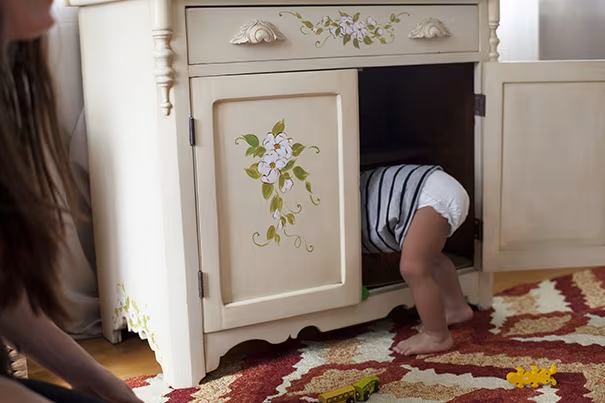
Baby safety in and out of the house


Safety means looking at the environment and matching it up to your own baby's abilities at that time.
Setting up safe ways and places for your baby to explore works better than planning to watch your baby every second (an impossible task!), but some general principles of safety apply to every child.
Never leave your baby alone
Even newborns can occasionally turn over or flip around, so never leave your baby alone in the bath, on a raised surface like a changing table or on an adult bed. If the phone rings, take the baby with you (or let the answering machine pick up the call). Never leave a baby in a car by herself, even for a minute.
Never shake a baby
In the early days, it's often difficult to fathom why your baby is crying. Feeling angry sometimes is normal, but no matter how frustrated you get, never shake or jiggle your baby violently. Shaken Baby Syndrome (SBS) can have dramatic effects on your baby.
Lower the risk of sudden infant death syndrome (SIDS), or cot death
Prevent choking
Follow these guidelines to avoid choking hazards:
Promote water safety
Never let your child out of your sight near any bodies of water. Keep her safe by doing the following:
Drive safely

Read more about Baby
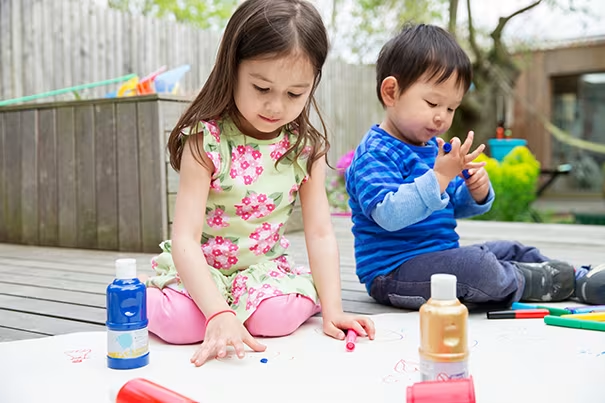
Clever ways to display your child's artwork
Displaying your child's artwork prominently within your or a relative's home will give your child a confidence boost regarding their artwork ability.
Read more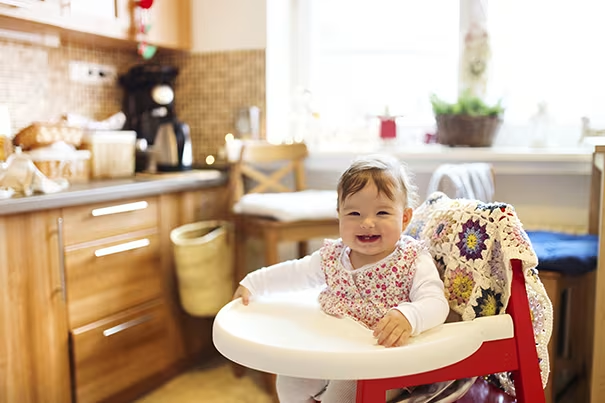
Kitchen safety for kids
Baby-proofing your kitchen appliances and utensils is essential when a baby is present. Find our top recommendations about kitchen safety for kids.
Read more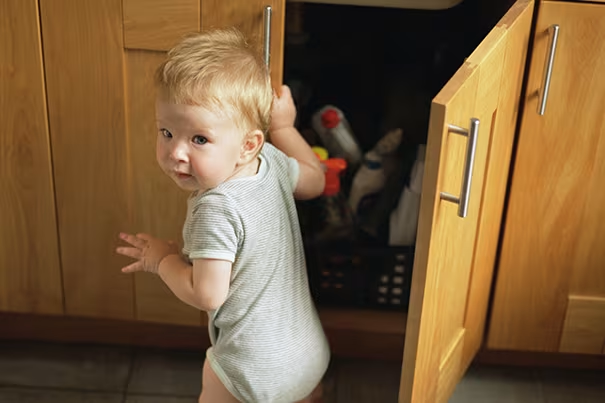
Baby-proofing your home
Explore our top tips about baby-proofing your home. From baby stair gates to child locks, our comprehensive guide has it all covered.
Read more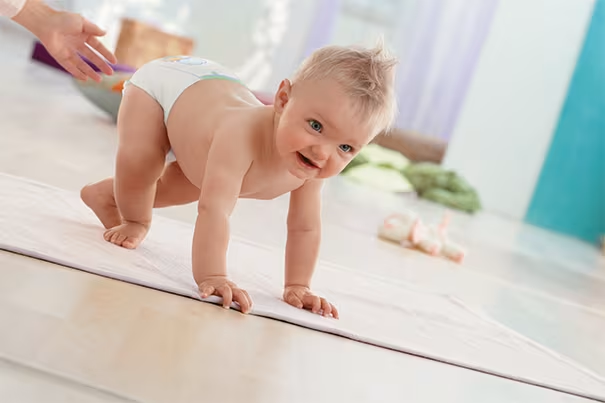
Baby-proofing: safety tips for an active baby
Active babies tend to be more accident prone, so working to minimalise the amount of bumps and bruises that they collect is all a part of the fun.
Read more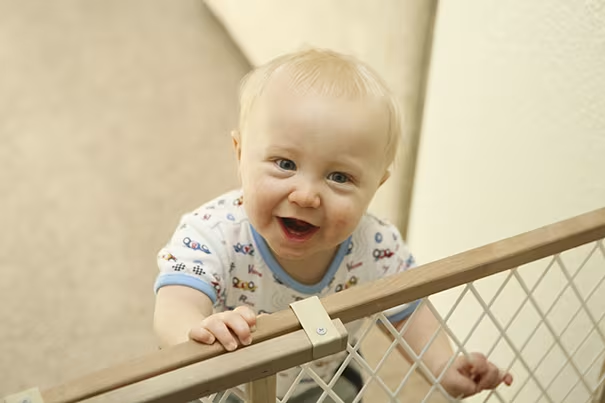
Baby safety around the house
Securing your house with baby safety products should be done well in advance of your baby's first signs of movement, to prevent accidents in the house.
Read more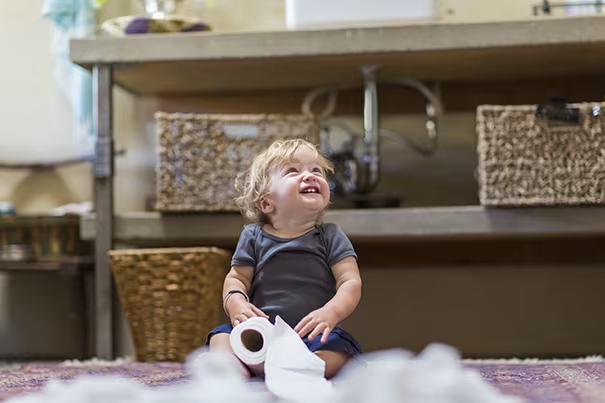
Bathroom safety for children
Bathroom safety for children is a critical area that all parents and guardians need to be particularly aware about. Learn how to child-proof your bathroom.
Read moreClever ways to display your child's artwork
Displaying your child's artwork prominently within your or a relative's home will give your child a confidence boost regarding their artwork ability.
Read moreKitchen safety for kids
Baby-proofing your kitchen appliances and utensils is essential when a baby is present. Find our top recommendations about kitchen safety for kids.
Read moreBaby-proofing your home
Explore our top tips about baby-proofing your home. From baby stair gates to child locks, our comprehensive guide has it all covered.
Read moreBaby-proofing: safety tips for an active baby
Active babies tend to be more accident prone, so working to minimalise the amount of bumps and bruises that they collect is all a part of the fun.
Read moreBaby safety around the house
Securing your house with baby safety products should be done well in advance of your baby's first signs of movement, to prevent accidents in the house.
Read moreBathroom safety for children
Bathroom safety for children is a critical area that all parents and guardians need to be particularly aware about. Learn how to child-proof your bathroom.
Read moreClever ways to display your child's artwork
Displaying your child's artwork prominently within your or a relative's home will give your child a confidence boost regarding their artwork ability.
Read moreKitchen safety for kids
Baby-proofing your kitchen appliances and utensils is essential when a baby is present. Find our top recommendations about kitchen safety for kids.
Read more