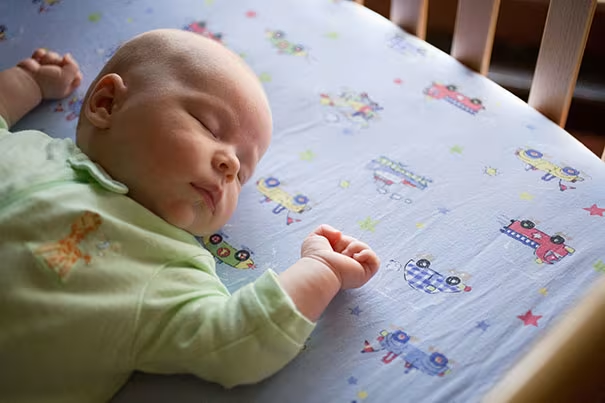
What Is SIDS, and How Can I Reduce the Risk


You might have heard of SIDS, a topic of concern for parents of young children. SIDS stands for Sudden Infant Death Syndrome, and it refers to the unexpected and unexplained death of an otherwise healthy baby who is less than a year old. It's sometimes called crib death, because many SIDS babies die when they're sleeping. The chance of SIDS occurring is very low, as it is the cause of death of 0.66 out of 1000 live infants according to studies. The cause or causes of SIDS are not known; however, there are steps you can take to create a safe sleep environment for your baby and to help prevent SIDS. Read on to find out more about what SIDS is, what some of the risk factors may be, and what you can do to help prevent it.
What Is Sudden Infant Death Syndrome? SIDS Prevention Tips SIDS Risk Factors and Causes
What Is Sudden Infant Death Syndrome?
The definition of SIDS is more a matter of what it isn't: it is a death that is unexplained and unexpected, and that usually occurs while the baby is sleeping.
If you're wondering just how common SIDS is, statistics show SIDS is rare in the GCC region. Based on recent data, the rate of SIDS is 0.66 deaths per 1,000 live births in the UAE. This may still sound alarming, but it means only 0.066 percent of babies under 1 year old are victims of SIDS.
A natural question parents have is when can I stop worrying about SIDS? Most SIDS deaths occur in the first several months of a baby's life, and in fact, infants are most vulnerable between the second and fourth months. The SIDS risk significantly decreases after your baby turns 1.
Safe Sleep and SIDS Prevention Tips
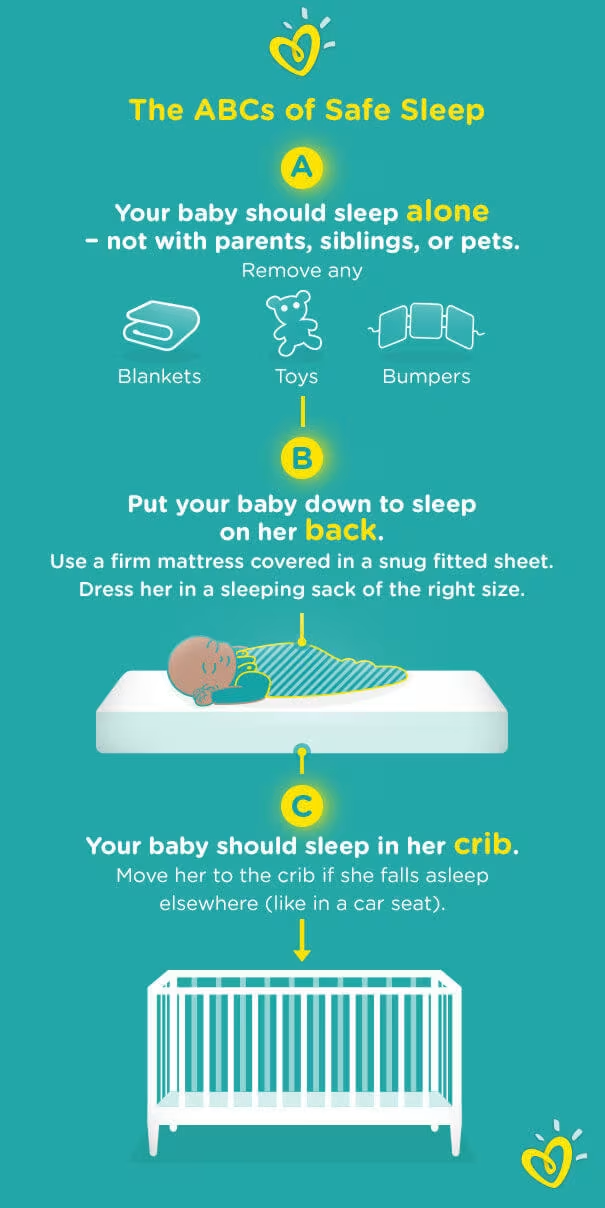
It's important to know how to help prevent SIDS. Take these steps to help keep your baby safe and lower the risk of SIDS:
This is a lot to take in, but this slogan might help. Just remember the ABC's of Safe Sleep: Your baby should always sleep
SIDS Risk Factors and Causes
It's not known exactly what causes SIDS, but there are some environmental factors that make a baby more vulnerable, as well as maternal, physical, and general factors that may increase the risk.
Sleep Environmental Factors
Sleep circumstances that increase SIDS risk include:
Maternal Risk Factors
Even before birth, moms can also unwittingly increase their baby's SIDS risk. Maternal risk factors include if mom:
Physical Factors
General Risk Factors
Although the exact cause of Sudden Infant Death Syndrome is unknown, these factors contribute to the overall risk:
SIDS is a risk that almost all parents worry about. Keep in mind that SIDS is very rare, and if you take these precautions consistently throughout your baby's first year of life, you can help reduce the risk even further.

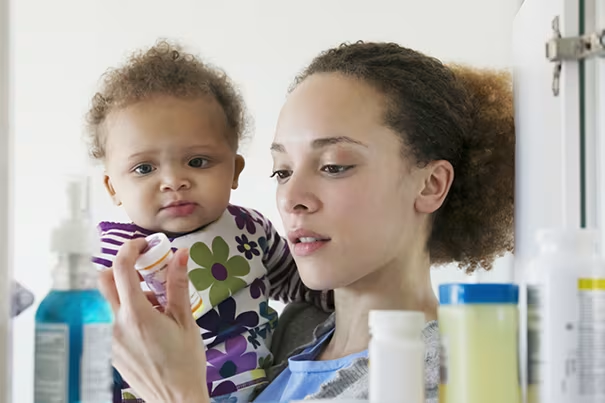
What to stock in your medicine cabinet.
Use a child safety lock to secure your medicine cabinet with all the medicines, plasters and creams that a child could possibly need.
Read more
What Is Cradle Cap and How Can I Soothe My Baby’s Skin?
It may look a little worrying, but cradle cap is a common and easily manageable condition for babies. Here’s our advice for how to soothe your little one.
Read more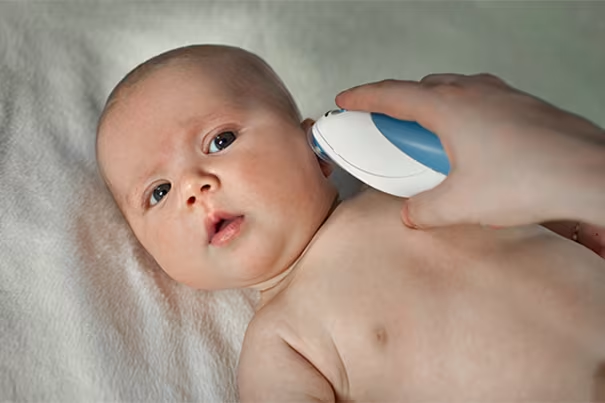
Dealing with fever in newborns and babies
Fever in babies is a sign of infection, learn how to measure baby's body temperature, remedies and what to tell your doctor just by reading this article.
Read more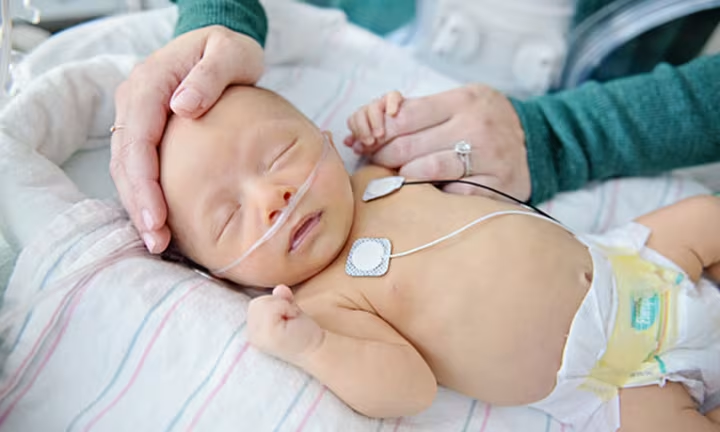
Common NICU Tests That You Should Know About
Your baby is likely to need a number of different tests and procedures while in the NICU, where babies undergo regular testing. There is no need to worry, and you can learn more about the tests here.
Read more
Paediatricians: Work with the health worker
Identifying the perfect paediatrician before your child's birth can help to save a lot of stress down the line. Commonly the best are found from referral.
Read more
Giving your baby and young child medicine
Giving a baby medicine should only be done under the instructions of a medical professional, commonly for issues such as baby rashes or colic.
Read moreWhat to stock in your medicine cabinet.
Use a child safety lock to secure your medicine cabinet with all the medicines, plasters and creams that a child could possibly need.
Read moreWhat Is Cradle Cap and How Can I Soothe My Baby’s Skin?
It may look a little worrying, but cradle cap is a common and easily manageable condition for babies. Here’s our advice for how to soothe your little one.
Read moreDealing with fever in newborns and babies
Fever in babies is a sign of infection, learn how to measure baby's body temperature, remedies and what to tell your doctor just by reading this article.
Read moreCommon NICU Tests That You Should Know About
Your baby is likely to need a number of different tests and procedures while in the NICU, where babies undergo regular testing. There is no need to worry, and you can learn more about the tests here.
Read morePaediatricians: Work with the health worker
Identifying the perfect paediatrician before your child's birth can help to save a lot of stress down the line. Commonly the best are found from referral.
Read moreGiving your baby and young child medicine
Giving a baby medicine should only be done under the instructions of a medical professional, commonly for issues such as baby rashes or colic.
Read moreWhat to stock in your medicine cabinet.
Use a child safety lock to secure your medicine cabinet with all the medicines, plasters and creams that a child could possibly need.
Read moreWhat Is Cradle Cap and How Can I Soothe My Baby’s Skin?
It may look a little worrying, but cradle cap is a common and easily manageable condition for babies. Here’s our advice for how to soothe your little one.
Read more