
What Are the Signs of Postpartum Depression?


You've just had a beautiful baby, and you had expected to be filled with joy during this time. Instead, you are overwhelmed by feelings of dread, self-doubt, sadness, and confusion. Feeling overwhelmed – particularly in those first few months – can be totally normal: You have a new family member, you’re not sleeping much, and you have a lot on your plate. But if your feelings seem to be something else, something perhaps a little more severe, it may be that you have postpartum depression, or PPD. This condition is not a flaw or a sign of weakness — instead, it can be considered a complication of childbirth. Read on to find out what postpartum depression is, learn some of the signs and symptoms, and find some coping mechanisms that may help you manage your symptoms in conjunction with your healthcare provider’s plan.
What Is Postpartum Depression?
Postpartum depression is a medical condition that causes a new mom to feel severe and long-lasting negative emotions or thoughts in the months after giving birth. Some of the main signs and symptoms of PPD are listed below. Postpartum depression can occur after any delivery — not necessarily the first one. It usually starts between 1 and 3 weeks after the baby is born, but for some women, it may begin several months later, or even up to a year after birth.
How common is postpartum depression? It’s more common than you might think. About one in seven women who've given birth experience this condition. Around half of those later diagnosed with PPD may start to have symptoms during pregnancy. So if you do feel like you have the symptoms of PPD or you have been recently diagnosed, know that you are not alone, and in time you will start to feel better once more.
How long can postpartum depression last? Your personal situation and healthcare provider’s treatment plan will have a bearing on how soon it will come to an end. For some women, symptoms may peak after a few weeks, but then linger for 3 to 12 months more. Getting treatment early can help you better manage your symptoms, and may help resolve the condition sooner.
Postpartum depression should not be confused with the "baby blues." This is when you have less severe symptoms of feeling sad and crying, or having anxiety and trouble sleeping. These milder symptoms typically begin a few days after you give birth, and usually go away after a couple of weeks. While having the baby blues can really get you feeling down, rest assured those feelings will soon pass. PPD should also not be confused with a rare mood disorder called postpartum psychosis, which involves more severe symptoms, such as hallucinations.
Postpartum Depression Signs and Symptoms
The first step is to recognize whether you may have PPD. The signs of postpartum depression include:
Only after speaking to your healthcare provider will you be able to answer the question: Do I have postpartum depression? But you may want to ask yourself (and then tell your provider) whether you are experiencing any of the symptoms listed above, and whether:
Causes and Risk Factors
It’s not known exactly what causes postpartum depression, but it is likely triggered by a combination of physical and emotional factors, which may include:
Risk factors for postpartum depression include if you have:
If you have had postpartum depression before, tell your healthcare provider as soon as you find out you are pregnant. Your provider may take any of the following steps:
How to Cope With Postpartum Depression
Know that there is postpartum depression help available through your healthcare provider. Your provider will talk with you about postpartum depression treatment options such as psychotherapy (also known as talk therapy or mental health counseling) and/or medications, like antidepressants.
Although PPD isn’t generally something you can treat on your own, these ideas may help set a solid foundation for your medical treatment plan, and could help speed recovery:
How to Support a Loved One Who Has Postpartum Depression
People with PPD may not be able to tell that they're depressed; they may not know the signs and symptoms. If you suspect a loved one has postpartum depression, help her seek medical advice right away. Keep in mind that as a husband, friend, or family member, you can’t “fix” postpartum depression, but you can be there for the new mom. Here are some practical things you can try:
If you are the father of the newborn, keep in mind that there is such a thing as paternal and male postpartum depression. If your wife is depressed, it can also affect you, as your risk of depression is already higher during this time. If you find yourself feeling depressed, try the above-mentioned tools, and speak to your healthcare provider.
Postpartum depression is not your fault. Unfortunately, many women feel guilty or ashamed because they can't find any reason to explain why they feel so unhappy. Some may even experience having their feelings dismissed or criticized by others. Remember, this is a medical condition that requires treatment, and it’s important not to suffer alone. There is support out there, and once the fog clears, you’ll be able to enjoy this time with your baby.

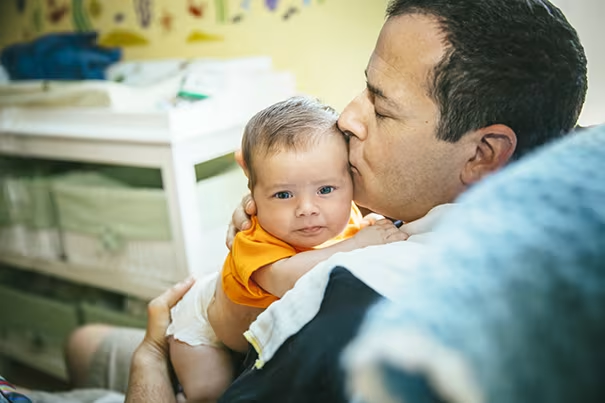
Daddy's little one: the dad and baby bond
As a father, bonding with your baby will help to instil mutual trust, friendship and understanding, key elements of a successful parenthood.
Read more
Becoming a dad for the second time
Becoming a father for the second time both relieves and exasperates the common fears of fatherhood. Check out our handy tips for second-time fathers.
Read more
Becoming a mum: 3 tips new mums should know
Come and take a look at the Pampers top three tips that every new mum needs to know. From changing nappies to baby safety, these three tips were voted top.
Read more
Bonding With Your Baby
Discover All The Best Ways To Bond With Your Baby With This Guide From Pampers. Give Every Baby The Right Relationship.
Read more
A grandparents' guide to parenting
With the cost of day-care increasing by the day, it is commonplace for families to need the help of a caring grandparent to look after their children.
Read more
Four easy hair cheats for new mums
Finding time to style your hair while taking care of your baby can be impossible for new mums. Check out our 4 easy hair cheats for mothers.
Read more
Parenthood. Planning to be great parents
If you are planning to become a parent in the near future then you may want to take a quick look at our guide on how to be a good parent.
Read more
How to meditate: Mummy me-time
Find out the basics of meditation for mummies and babies, and how it can reduce stress for the whole family. See our beginners guide to medication.
Read moreDaddy's little one: the dad and baby bond
As a father, bonding with your baby will help to instil mutual trust, friendship and understanding, key elements of a successful parenthood.
Read moreBecoming a dad for the second time
Becoming a father for the second time both relieves and exasperates the common fears of fatherhood. Check out our handy tips for second-time fathers.
Read moreBecoming a mum: 3 tips new mums should know
Come and take a look at the Pampers top three tips that every new mum needs to know. From changing nappies to baby safety, these three tips were voted top.
Read moreBonding With Your Baby
Discover All The Best Ways To Bond With Your Baby With This Guide From Pampers. Give Every Baby The Right Relationship.
Read moreA grandparents' guide to parenting
With the cost of day-care increasing by the day, it is commonplace for families to need the help of a caring grandparent to look after their children.
Read moreFour easy hair cheats for new mums
Finding time to style your hair while taking care of your baby can be impossible for new mums. Check out our 4 easy hair cheats for mothers.
Read moreParenthood. Planning to be great parents
If you are planning to become a parent in the near future then you may want to take a quick look at our guide on how to be a good parent.
Read moreHow to meditate: Mummy me-time
Find out the basics of meditation for mummies and babies, and how it can reduce stress for the whole family. See our beginners guide to medication.
Read more