What Is an Ectopic Pregnancy?


The good news is that ectopic pregnancies are rare. However, if they do occur, they require medical attention, so it’s helpful to know about them, just in case. Learn more about what an ectopic pregnancy is, and what an ectopic pregnancy can feel like.
What Happens in an Ectopic Pregnancy?
In a typical pregnancy that develops normally, a fertilized egg moves through the fallopian tube toward the uterus, where it implants and starts to grow. But in an ectopic pregnancy, the fertilized egg implants outside of the uterus, usually attaching itself to the fallopian tube (but occasionally to the ovary, cervix, or other places in the abdomen). These cannot hold a growing embryo, so the pregnancy cannot progress. The chance of an ectopic pregnancy occurring is relatively low, making up just 2 percent of pregnancies.
An ectopic pregnancy must be treated, and your healthcare provider will discuss and recommend the best options for you. Following are some of the causes, risks, symptoms, and treatments for this condition.
Causes of an Ectopic Pregnancy
Possible causes of an ectopic pregnancy can include:
Risk Factors for an Ectopic Pregnancy
You’re more likely to have an ectopic pregnancy if
Signs and Symptoms of an Ectopic Pregnancy
You might be wondering how to tell if you have an ectopic pregnancy, particularly because some of the signs of an ectopic pregnancy are also normal signs of a healthy pregnancy that you might experience in the first trimester. Keep in mind that ectopic pregnancies are rare, and your healthcare provider is the appropriate person to make this diagnosis.
Some women don’t experience any symptoms at all. However, if you do develop symptoms, you will likely notice these signs of an ectopic pregnancy between the 4th and 12th weeks of pregnancy. These can include:
These symptoms can start very early in your pregnancy, at a time when you might not know you are pregnant yet or have had a positive pregnancy test.
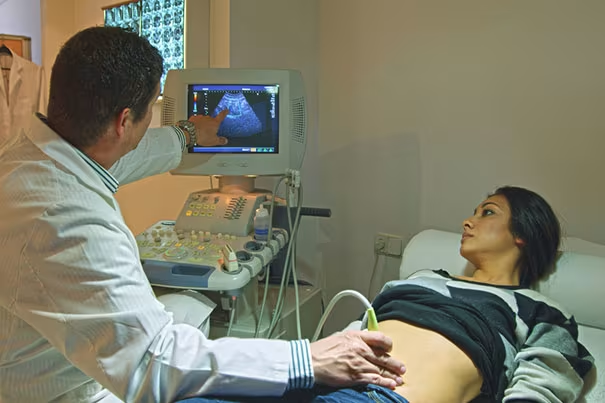
In some cases, signs of an ectopic pregnancy will first be recognized by your healthcare provider during your first pregnancy scan.
Contact your provider right away if you notice sharp pains that last more than a few minutes, or if you have any bleeding. Go to the hospital ASAP if you have vaginal bleeding along with abdominal or shoulder pain or weakness, dizziness, or fainting.
Diagnosis
Your provider can make an ectopic pregnancy diagnosis by undertaking these kinds of examinations:
What Are the Treatment Options?
Treatment for an ectopic pregnancy involves ending the pregnancy either by surgery or by medication and aims to restore the affected fallopian tub. Your doctor will talk you through the options, which can include:
You might be wondering what to expect after ectopic pregnancy surgery. Your doctor will closely monitor your recovery after an ectopic pregnancy and any surgery, including rechecking your hCG level to make sure the ectopic tissue has been completely removed.
Can I Get Pregnant After an Ectopic Pregnancy?
If you're wondering if you can have a healthy pregnancy after an ectopic pregnancy, your best bet is to speak with your healthcare provider, who will be able to provide you with specific guidance based on your medical history.
Ectopic pregnancies are relatively rare and treatable, but if you notice any symptoms that worry you, consult your provider for reassurance and advice.


All About Pregnancy Hormones
To answer your questions about the physical and mental changes you may experience during pregnancy, we've created the complete guide to pregnancy hormones.
Read more
Placenta Previa: What Is It and What to Do?
You may have heard of Placenta Previa and have some questions about what it is and what to do about it. Read on to learn all about this pregnancy issue.
Read more
What Is Preeclampsia and How to Manage It
Preeclampsia is an increase in blood pressure during second & third trimester of pregnancy. Learn about the causes and treatmentalong of preeclampsia at Pampers AE.
Read more
How Much Weight Should I Gain During Pregnancy?
Most pregnancy weight gain is due to your growing baby, but all mums experience it differently. Here's our guide to understanding pregnancy weight gain.
Read moreAll About Pregnancy Hormones
To answer your questions about the physical and mental changes you may experience during pregnancy, we've created the complete guide to pregnancy hormones.
Read morePlacenta Previa: What Is It and What to Do?
You may have heard of Placenta Previa and have some questions about what it is and what to do about it. Read on to learn all about this pregnancy issue.
Read moreWhat Is Preeclampsia and How to Manage It
Preeclampsia is an increase in blood pressure during second & third trimester of pregnancy. Learn about the causes and treatmentalong of preeclampsia at Pampers AE.
Read moreHow Much Weight Should I Gain During Pregnancy?
Most pregnancy weight gain is due to your growing baby, but all mums experience it differently. Here's our guide to understanding pregnancy weight gain.
Read moreAll About Pregnancy Hormones
To answer your questions about the physical and mental changes you may experience during pregnancy, we've created the complete guide to pregnancy hormones.
Read morePlacenta Previa: What Is It and What to Do?
You may have heard of Placenta Previa and have some questions about what it is and what to do about it. Read on to learn all about this pregnancy issue.
Read moreWhat Is Preeclampsia and How to Manage It
Preeclampsia is an increase in blood pressure during second & third trimester of pregnancy. Learn about the causes and treatmentalong of preeclampsia at Pampers AE.
Read moreHow Much Weight Should I Gain During Pregnancy?
Most pregnancy weight gain is due to your growing baby, but all mums experience it differently. Here's our guide to understanding pregnancy weight gain.
Read more