All About Folic Acid During Pregnancy: FAQ


You may have heard all about folic acid being an essential vitamin you need while you’re pregnant, but what is it, why is it important for pregnant women, and how much should you take? Read through our frequently asked questions on folic acid to find out more!
What Is Folic Acid?
Vitamin B-9, better known as folate or folic acid (the synthetic form of folate), stimulates the production of red blood cells, which help carry oxygen from your lungs to the rest of your body. It also helps support healthy cell growth and function. Folic acid is a vitamin everyone needs, but it’s especially important for women before and during pregnancy.
Why Is Folic Acid Important for Pregnant Women?
Folic acid can help prevent birth defects in the brain or spine. These structures are formed from your baby’s neural tube early in pregnancy, which is why it's crucial to get enough folic acid in the first trimester. Some studies indicate folic acid also helps guard against heart defects and other birth defects like cleft lip and palate.
Can I Get Folate From Food?
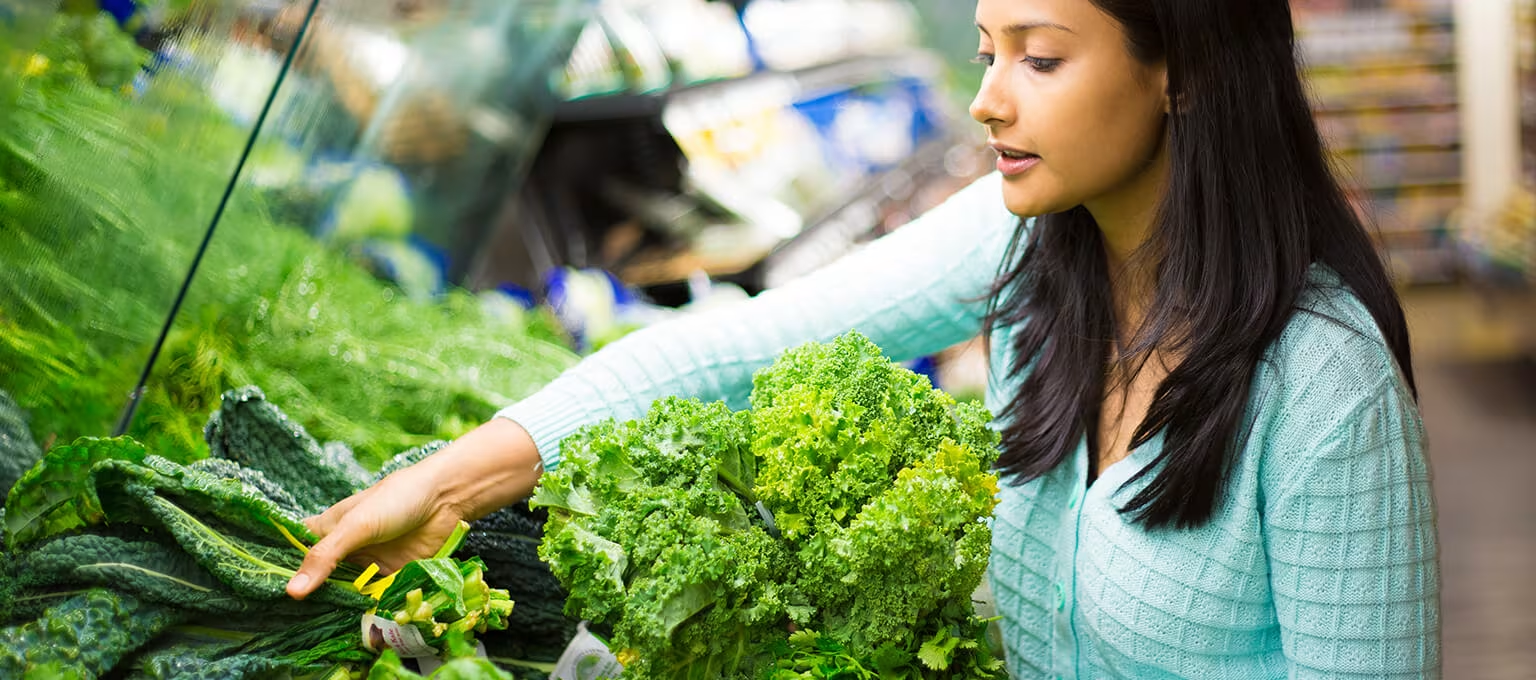
Yes. You can get a natural serving of folate from a healthy diet rich in
You can also find folic acid in fortified foods like breakfast cereals, bread, white rice, and pasta. Just check the label to make sure the food has been fortified with folic acid.
Do I Need to Take an Additional Folic Acid Supplement?
It may be hard to get the recommended amount of folic acid from food alone. So, if you’re pregnant, or wanting to get pregnant, you can ensure you’re getting enough by taking a daily vitamin supplement or a prenatal vitamin that contains folic acid.
When Should I Start Taking Folic Acid?
You may not know you’re pregnant in your first month. This is why experts recommend all adult women take a folic acid supplement on a daily basis, even if they’re not pregnant, just to be safe. If you’ve found out you’re pregnant, and you haven’t been taking folic acid, don’t worry; just begin taking your folic acid supplements as soon as possible.
Recommended Folic Acid Levels During Pregnancy
Adults in general should get 400 micrograms of folic acid, but women who are pregnant or planning to get pregnant require 400 to 800 micrograms a day from all sources, including a balanced diet. If you’re eating a varied diet with plenty of leafy greens, fruit, and legumes, then an additional 400 micrograms of folic acid may be enough, whether you take it alone or in a prenatal vitamin complex. You may need a higher daily amount of folic acid if you've already experienced a pregnancy with a neural tube defect, or if you're taking certain medications. Talk to your healthcare provider if you’re not sure about how much folic acid you need.
What Are the Signs of Folic Acid Deficiency Anemia?
Folic acid deficiency is rare, because so much food is fortified with folic acid, and anyone eating a balanced diet is likely to get enough. However, folate deficiency can lead to anemia, and may cause symptoms such as lack of energy, pale skin, decreased appetite, diarrhea, irritability, or a smooth, tender tongue.
You may also experience these symptoms if you’re deficient in vitamin B12 or iron, so check with your healthcare provider to be sure you know the problem you need to address.
What Causes Folic Acid Deficiency?
As folic acid is present in many foods, whether naturally or in fortified foods, folate deficiency should be uncommon. However, you can be at risk for this condition if:
When you're pregnant or breastfeeding, your body needs more folic acid than it normally does. Check with your healthcare provider to make sure you're getting the proper amount of folic acid for your situation
Folic acid is only one of the many important nutrients you’ll need when you're pregnant or planning to become pregnant. If you’re interested in learning more about pregnancy nutrition, read more about maintaining a healthy pregnancy diet, so you and your little one stay well nourished and healthy.


What Is Gestational Diabetes and How to Treat It
Gestational diabetes can affect your pregnancy and the health of your baby. Find out what steps you can take to lower the risk and control blood sugar levels.
Read more
What Not To Eat When Pregnant
A healthy pregnancy diet is key for the health of your baby. Follow this guide to discover what you should and should not eat while you are pregnant.
Read more
Pregnancy Diet: Nourishing Mom and Baby
Healthy pregnancy diet should have a right balance of proteins and minerals. Explore Pampers' pregnancy food guide from the experts that covers the Dos & Don'ts.
Read more
Recommended Iron and Calcium Intake During Pregnancy
Calcium and Iron rich foods in pregnancy diet are extremely crucial for the mother and baby. Know more about the required intake & whether you need supplements.
Read more
Pregnancy diet: Tips for a healthy diet
See our helpful tips on maintaining a healthy diet during pregnancy, to help ensure that both yourself and your baby get the nutrients needed.
Read more
Pregnancy diet plan: Eating carbs
Find out how eating carbohydrates can affect your pregnancy diet plan. Eating carbs should be done in the proper fashion during pregnancy, learn why.
Read more
Pregnancy diet plan: Protein while pregnant
Proteins are packed with amino acids which are necessary for your baby’s growth. So, take a look at pregnancy protein diet suggestions given by our pampers UAE experts.
Read more
Healthy Diet: Right level of Iron and Calcium
Maintaining a healthy diet during pregnancy is a primary factor in having a healthy birth, and baby. Learn more from our experts.
Read more
Pregnancy Cravings and Aversions
Cravings and aversions are common symptoms associated with physiological stress of pregnancy. Read when do these start, their causes & when should you see a doctor.
Read more
Prenatal Vitamins: FAQ
During your pregnancy, it’s a good idea to take prenatal vitamins to make sure you're getting enough folic acid and iron. Here some tips on when to start.
Read moreWhat Is Gestational Diabetes and How to Treat It
Gestational diabetes can affect your pregnancy and the health of your baby. Find out what steps you can take to lower the risk and control blood sugar levels.
Read moreWhat Not To Eat When Pregnant
A healthy pregnancy diet is key for the health of your baby. Follow this guide to discover what you should and should not eat while you are pregnant.
Read morePregnancy Diet: Nourishing Mom and Baby
Healthy pregnancy diet should have a right balance of proteins and minerals. Explore Pampers' pregnancy food guide from the experts that covers the Dos & Don'ts.
Read moreRecommended Iron and Calcium Intake During Pregnancy
Calcium and Iron rich foods in pregnancy diet are extremely crucial for the mother and baby. Know more about the required intake & whether you need supplements.
Read morePregnancy diet: Tips for a healthy diet
See our helpful tips on maintaining a healthy diet during pregnancy, to help ensure that both yourself and your baby get the nutrients needed.
Read morePregnancy diet plan: Eating carbs
Find out how eating carbohydrates can affect your pregnancy diet plan. Eating carbs should be done in the proper fashion during pregnancy, learn why.
Read morePregnancy diet plan: Protein while pregnant
Proteins are packed with amino acids which are necessary for your baby’s growth. So, take a look at pregnancy protein diet suggestions given by our pampers UAE experts.
Read moreHealthy Diet: Right level of Iron and Calcium
Maintaining a healthy diet during pregnancy is a primary factor in having a healthy birth, and baby. Learn more from our experts.
Read more