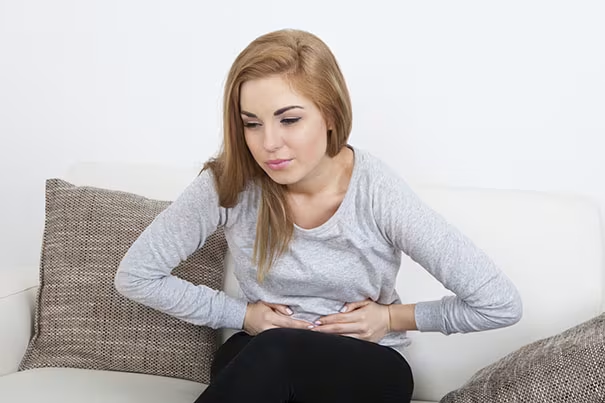
Morning Sickness: how to prevent it


What is Morning Sickness?
Nausea, sometimes accompanied by vomiting, is a common symptom of early pregnancy. About 50 to 70 per cent of pregnant women experience it in the first trimester. Not only is nausea normal, it's usually a sign that your pregnancy is healthy.
The condition is called 'morning sickness' because that's often the time when the symptoms are the worst. However, you can feel queasy and throw up at any time of day when you're pregnant.
What causes nausea when pregnant?
It's believed that the symptoms are caused by the pregnancy hormone hCG, which is produced by the developing placenta and which helps to maintain the pregnancy. But other factors such as low blood sugar, increased stomach acid, stress and fatigue can also contribute.
Nausea Prevention Strategies
Coping With Morning Sickness
When you're feeling nauseous, try the following:
If your symptoms of nausea and vomiting are persistent (occurring more that once or twice each day), prevent you from eating or drinking altogether, or continue past your first trimester, report this to your healthcare provider.
How long does morning sickness last?
The good news is that for most women morning sickness ends by the fourth month of pregnancy, when hormone levels begin to decrease a bit.
Keep reminding yourself that the nausea is normal and will soon pass – and think about the positive side of being pregnant and the happiness that your baby will bring you.


What are the common pregnancy symptoms & signs?
Suspecting Pregnancy? Want to know about pregnancy signs & symptoms? Learn about the common signs & symptoms of pregnancy from Pampers AE experts.
Read moreWhat are the common pregnancy symptoms & signs?
Suspecting Pregnancy? Want to know about pregnancy signs & symptoms? Learn about the common signs & symptoms of pregnancy from Pampers AE experts.
Read moreWhat are the common pregnancy symptoms & signs?
Suspecting Pregnancy? Want to know about pregnancy signs & symptoms? Learn about the common signs & symptoms of pregnancy from Pampers AE experts.
Read more