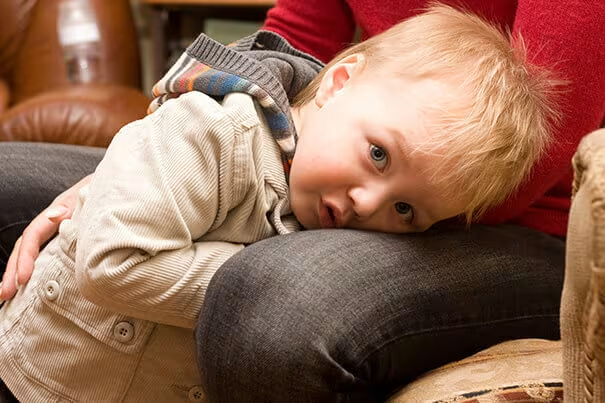
Shy children: overcoming shyness


What exactly causes shyness? How can we help a child to overcome these feelings?
Causes of shyness
Researchers have found two apparent pathways to shyness.
1. Biological
About one in five children seems to be born with a biological predisposition toward timidity. From the time they're toddlers – and sometimes even earlier – these children are uncomfortable with new people and new environments. Shy children tend to be finicky eaters who avoid trying new foods and who are reluctant to take on new challenges. Half the toddlers who show this pattern are still shy when they're six-years-old; a quarter are still shy as adolescents and are likely to remain somewhat shy their entire lives.
2. Situational
For these children, shyness is a temporary reaction to stress. A parent's illness, a move to a new home or a change in childcare can trigger shyness in a toddler or pre-schooler – even in an older child. Shyness usually disappears as soon as the underlying situation is resolved or the child becomes more comfortable.
Helping the shy child
Shy children can benefit from a variety of things that help improve their self-confidence and social skills. Here are some suggestions:
While shyness is usually nothing to worry about, encouraging this early on will help your child to build her social skills as she reaches school-going age.


Toddler biting: stopping children from biting
During teething stages it's normal for babies to try and bite anything, including people! See how to stop your baby from biting, while helping them teethe.
Read more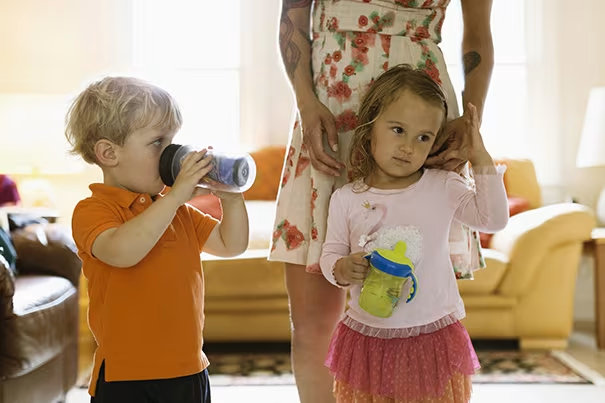
How to handle aggressive behaviour
Combating aggressive behaviour in toddlers is a priority for all parents, as it will help to shape the child's behaviour throughout their lives.
Read more
The Emotional Child: why some babies cry more
Find out what causes babies and toddlers to cry, with alternative methods to help them stop. Learn more about colic and what typically causes crying.
Read more
Mother and toddler separation anxiety
Anxiety is common for mothers when they are separated from their toddlers, even for short periods of time. Find out about dealing with separation anxiety.
Read more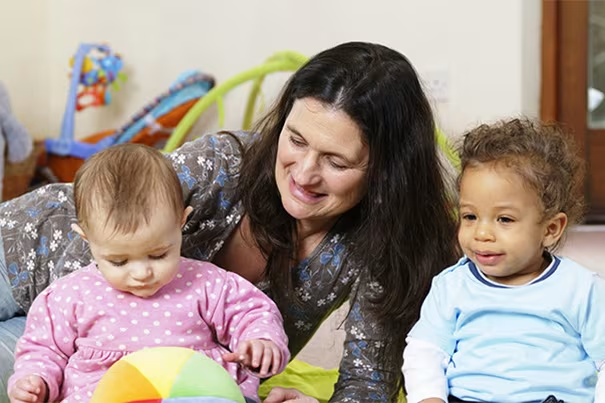
Toddler activities: playmates and interaction
Finding playmates for your toddler can help to increase their group interaction and sociability, which can be useful prior to joining nursery school.
Read more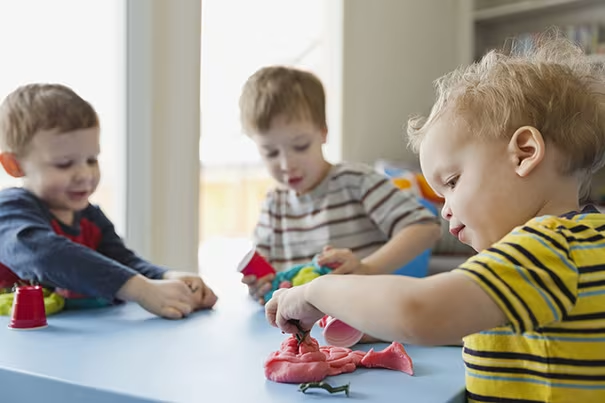
Importance of play in childhood development
Here we write about the role of different types of play activities and how they affect the cognitive development of your 2-year old toddler.
Read more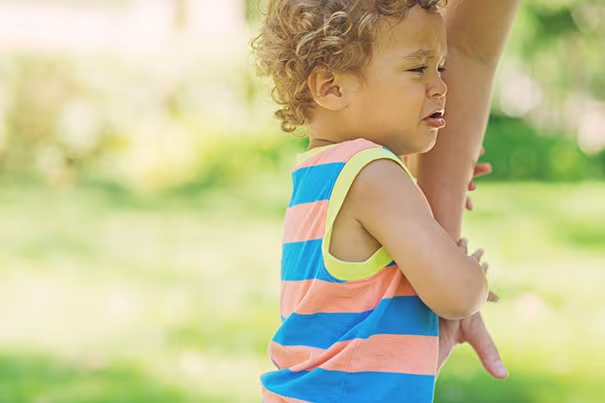
Dealing with anxiety & fear in children
Check out these practical tips on how parents can help their toddler to overcome anxiety and deal with their emotions effectively.
Read more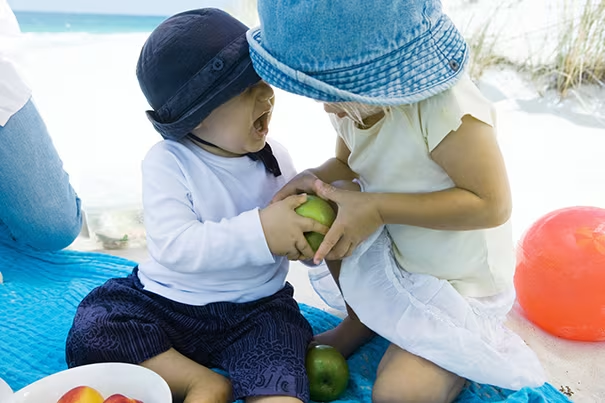
Why does my toddler hit?
Teaching your toddler to express their emotions verbally, as opposed to physically will provide them with a solid emotional foundation to live with.
Read moreToddler biting: stopping children from biting
During teething stages it's normal for babies to try and bite anything, including people! See how to stop your baby from biting, while helping them teethe.
Read moreHow to handle aggressive behaviour
Combating aggressive behaviour in toddlers is a priority for all parents, as it will help to shape the child's behaviour throughout their lives.
Read moreThe Emotional Child: why some babies cry more
Find out what causes babies and toddlers to cry, with alternative methods to help them stop. Learn more about colic and what typically causes crying.
Read moreMother and toddler separation anxiety
Anxiety is common for mothers when they are separated from their toddlers, even for short periods of time. Find out about dealing with separation anxiety.
Read moreToddler activities: playmates and interaction
Finding playmates for your toddler can help to increase their group interaction and sociability, which can be useful prior to joining nursery school.
Read moreImportance of play in childhood development
Here we write about the role of different types of play activities and how they affect the cognitive development of your 2-year old toddler.
Read moreDealing with anxiety & fear in children
Check out these practical tips on how parents can help their toddler to overcome anxiety and deal with their emotions effectively.
Read moreWhy does my toddler hit?
Teaching your toddler to express their emotions verbally, as opposed to physically will provide them with a solid emotional foundation to live with.
Read more