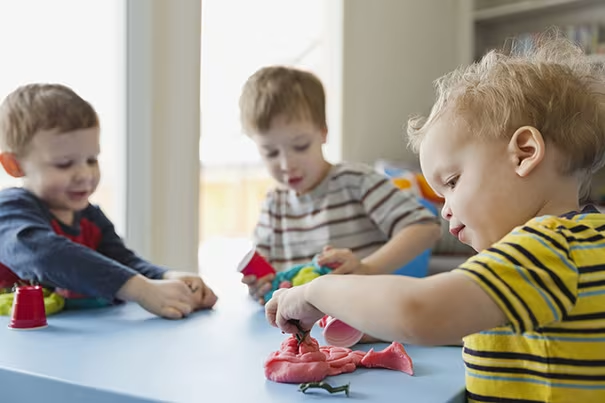
Importance of play in childhood development


The way your toddler plays and handles his toys can tell you whether he's hitting the appropriate cognitive and developmental milestones for his age.
At two, themes of play emerge and strings of imagination come together. Two-year-olds start to use their toys to put together short stories in unique ways.
For example, your child might make a square out of blocks – a sort of room. He puts a girl doll inside the room and says 'Go home' as he brings a boy doll closer. 'Knock, knock! Come in!' he says as he pushes one block aside to let the second doll enter the room. Then the two dolls embrace.
By playing out a scenario like this, your toddler demonstrates his ability to use symbolic play. That, in turn, brings out imitation, which shows that he understands how his world works. Unstructured toys like blocks help your child to exercise his imagination. Give him time and space to create. Show interest, but don't probe too hard – he's not quite sure what he's up to, either.

How to handle aggressive behaviour
Combating aggressive behaviour in toddlers is a priority for all parents, as it will help to shape the child's behaviour throughout their lives.
Read more
Shy children: overcoming shyness
Helping your child to overcome shyness will give them to opportunity to interact with their peers and make friends. Learn more about anxiety in children.
Read more
The Emotional Child: why some babies cry more
Find out what causes babies and toddlers to cry, with alternative methods to help them stop. Learn more about colic and what typically causes crying.
Read more
Mother and toddler separation anxiety
Anxiety is common for mothers when they are separated from their toddlers, even for short periods of time. Find out about dealing with separation anxiety.
Read more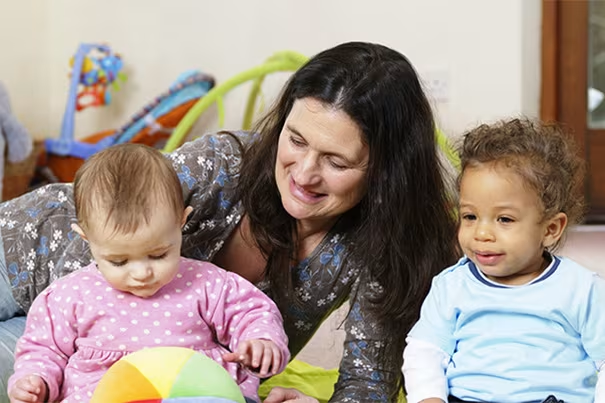
Toddler activities: playmates and interaction
Finding playmates for your toddler can help to increase their group interaction and sociability, which can be useful prior to joining nursery school.
Read more
Dealing with anxiety & fear in children
Check out these practical tips on how parents can help their toddler to overcome anxiety and deal with their emotions effectively.
Read more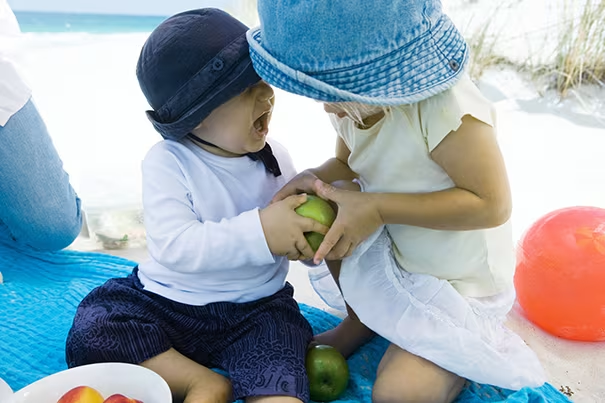
Why does my toddler hit?
Teaching your toddler to express their emotions verbally, as opposed to physically will provide them with a solid emotional foundation to live with.
Read more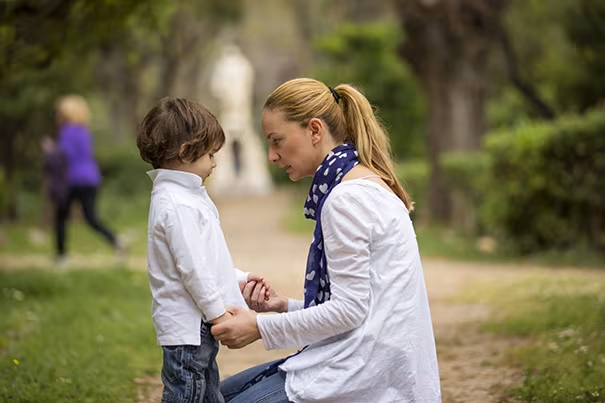
Toddler biting: stopping children from biting
During teething stages it's normal for babies to try and bite anything, including people! See how to stop your baby from biting, while helping them teethe.
Read moreHow to handle aggressive behaviour
Combating aggressive behaviour in toddlers is a priority for all parents, as it will help to shape the child's behaviour throughout their lives.
Read moreShy children: overcoming shyness
Helping your child to overcome shyness will give them to opportunity to interact with their peers and make friends. Learn more about anxiety in children.
Read moreThe Emotional Child: why some babies cry more
Find out what causes babies and toddlers to cry, with alternative methods to help them stop. Learn more about colic and what typically causes crying.
Read moreMother and toddler separation anxiety
Anxiety is common for mothers when they are separated from their toddlers, even for short periods of time. Find out about dealing with separation anxiety.
Read moreToddler activities: playmates and interaction
Finding playmates for your toddler can help to increase their group interaction and sociability, which can be useful prior to joining nursery school.
Read moreDealing with anxiety & fear in children
Check out these practical tips on how parents can help their toddler to overcome anxiety and deal with their emotions effectively.
Read moreWhy does my toddler hit?
Teaching your toddler to express their emotions verbally, as opposed to physically will provide them with a solid emotional foundation to live with.
Read moreToddler biting: stopping children from biting
During teething stages it's normal for babies to try and bite anything, including people! See how to stop your baby from biting, while helping them teethe.
Read more