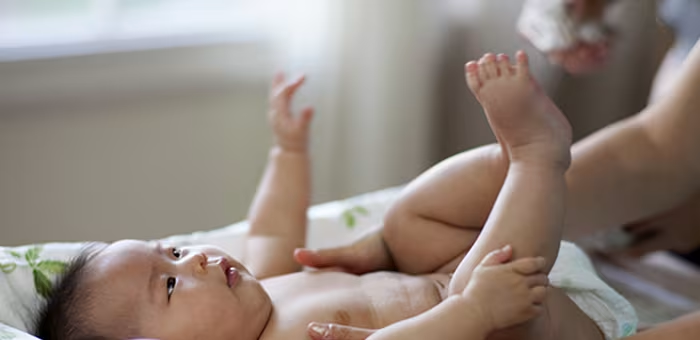
Nappy Rash: Causes, Symptoms, Treatment and Remedies


If you’ve noticed that your baby’s nappy area looks a little red or irritated, it is probably nappy rash. Pampers is here to support you when it comes to protecting your baby’s skin, preventing and treating nappy rash to help them heal as quickly as possible.
What is nappy rash?
Nappy rash is a common form of inflamed skin that may appear as red or bumpy surrounding the area of your baby’s nappy.
Nappy Rash Symptoms
If your baby’s nappy area looks irritated and red, it's probably nappy rash. The skin may also be a little puffy and warm when you touch it. Nappy rash can be mild – a few prickly red spots in a small area – or extensive, with tender red bumps that spread to your baby’s tummy and thighs.
If the rash also has reddish pink bumps surrounding a red patch in the nappy area or around your baby's mouth, it may have already advanced to a yeast nappy rash, which needs to be treated with topical anti-fungal medication.
Since your baby cannot tell you in words exactly what's wrong, he may express his discomfort through crying and irritability, especially at nappy-changing times, and possibly by a loss of appetite.
Nappy rash: treatment and remedies
To treat nappy rash, it’s important to change your baby's nappies frequently to reduce moisture on the skin. Here are some other tips to help treat your baby’s bottom:
Preventing Nappy Rash
While nappy rash is pretty common, here are some tips to keep your baby’s bottom rash-free:
What else can cause a rash in the nappy area other than nappy rash?
What you think is nappy rash on your child's bottom may very well be another mild childhood skin condition. For this reason, it's important to recognise the difference between nappy rashes and other common ailments so you can treat each one effectively. Impetigo, seborrhoeic dermatitis and prickly heat are the conditions most commonly mistaken for nappy rash.
Impetigo
A contagious bacterial skin infection that appears in the nappy area and on the face and hands, with pimples and scabby, honey-coloured sores that blister and itch. Because this condition is contagious, all family members should wash their hands often with anti-bacterial soap to keep it from spreading. If you see this type of sore, call your paediatrician or GP, who will probably prescribe an antibiotic cream or oral antibiotic.
Seborrhoeic Dermatitis
A common skin condition that can affect infants in their first year. You'll find raised, rough red patches covered with thick white or yellow scales on your baby's groin, genitals and lower abdomen; when similar patches appear on the scalp, the condition is known as cradle cap. Try applying an over-the-counter cortisone or hydro-cortisone ointment to the affected areas, and keep your baby clean and dry. If the condition doesn't clear up soon, see your paediatrician, who may prescribe a stronger cortisone cream.
Prickly Heat
Heat and humidity can lead to prickly heat, caused when perspiration builds up on the skin and is unable to evaporate. Less common after three months, this condition looks like an acne breakout, with very small pink bumps, and can show up in the skin folds in the nappy area, especially where the plastic lining of a nappy or nappy cover touches the skin. Moisture and humidity are the main causes of prickly heat, so make sure that your child is not overdressed and that his skin remains dry. If prickly heat seems severe, it's time to contact your healthcare provider.

Read more about About Pampers
What causes nappy rash by Dr Shah
Learn from Doctor Shah about what causes nappy rashes, as well as some of the best methods of ensuring that your child doesn't get nappy rash.
Read moreWhat causes nappy rash by Dr Shah
Learn from Doctor Shah about what causes nappy rashes, as well as some of the best methods of ensuring that your child doesn't get nappy rash.
Read moreWhat causes nappy rash by Dr Shah
Learn from Doctor Shah about what causes nappy rashes, as well as some of the best methods of ensuring that your child doesn't get nappy rash.
Read more