
Everything You Need to Know About Baby Teething


Your little one's first tooth and that adorable toothy grin is something you might be waiting for and will treasure for your life once it appears. As every baby is unique, baby teething age varies widely from baby to baby. We know that you are curious to know everything about your baby's teething. So, here we have curated something for you. Read on to know more on when your baby may start teething, teething signs and symptoms, teething timeline, etc.
When Does Teething Start?
Teething often starts when babies are between 6 and 12 months old, though in some cases, those first teeth may appear earlier or even a little later. In some very rare cases, newborns may be born with a tooth already erupted or have a tooth come through in the first few weeks.
Look out for signs of teething, such as tender gums, drooling, or gnawing on a fist or finger, which may indicate that you’ll soon be seeing a tooth emerge.
What if Teething Starts Later Than You Expect?
It's helpful to remember that growing teeth is not a competitive sport and that your baby's teeth will arrive when they are ready. So, don't be concerned if your friends' children get teeth before your baby does.
The age range can be quite broad when it comes to teething. Though it's likely that teething may begin between 6 and 12 months, the first tooth may appear as early as 3 or 4 months or as late as 14 months. Some babies might even be slightly outside of this range on either side. Genetics may play a role in the timing.
If you're concerned about your baby’s teeth or have any questions about dental care, speak to your dentist.
Which Teeth Come in First?
Each baby is different, but typically your baby’s two bottom front teeth will come in first, followed by the two top front teeth. To know in more detail when baby's teeth typically come in, read our teething timeline below.
How Long Does Teething Last?
The duration of the teething process can vary. At some point between your child's second and third birthdays, your little one will have a full set of 20 primary teeth. This means the total teething period lasts about two years.
If your little one has teething discomfort, know that this will probably come and go. Teething symptoms are typically experienced in the days before a tooth erupts, then the soreness subsides until a new tooth starts to come in.
How Many Baby Teeth Will Appear in Total?
Your little one’s first set of teeth are known as primary or baby teeth. By the time she’s 2 and a half to 3 years old, she will have a full set of 20 baby teeth.
When your child is around 6 or 7 years old, the baby teeth will start falling out to make way for her permanent teeth, sometimes called secondary teeth. It takes many years for all 32 secondary teeth to come in, so for a while there your child will have a mix of primary and secondary teeth.
Signs and Symptoms of Teething
Sometimes a tooth may appear without any symptoms at all while in other cases symptoms of teething could start about three to four days before the tooth itself is visible.
As the baby teeth grow and break through the gums, teething symptoms can include:
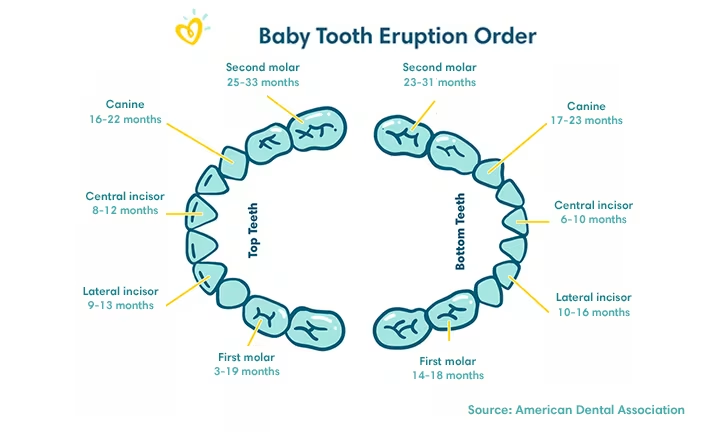
Teething Timeline
When each tooth comes in and in what order varies from child to child, but here’s a general idea of the teething timeline:
Top Teeth
Bottom Teeth
How to Soothe Your Teething Baby
Teething can be uncomfortable for some babies, and as there’s no magic technique that works for every child, you may have to experiment to find something that helps your little one feel better. Here are two ways to soothe your teething baby:
How to Care for Your Baby’s New Teeth
It’s important to start caring for your baby’s teeth (or tooth) as soon as the first one pokes through. Those baby teeth have to last several years before they’re replaced with adult teeth, and establishing good dental hygiene habits early on will help set your little one up for healthy teeth and gums throughout her life.
Taking steps to prevent cavities and tooth decay in the baby teeth is just as important as it is with adult teeth because decay in these teeth can affect the permanent teeth that follow and cause other dental problems like pain and infections.
Brushing Your Baby’s Teeth
Regular brushing is an important part of dental care. The key thing at this stage is to gently clean baby teeth twice a day and get your little one used to the brushing routine.
Here are some guidelines for brushing your baby’s teeth, as well as some tips on teaching your older child how to get the job done with your help:
Diet
Your little one’s diet is a big part of dental health. Avoid giving your child sugary drinks like fruit juice and sodas or sticky sweet snacks like gum, toffee, and sticky caramel. Also, don’t let your baby fall asleep with a bottle or sippy cup of milk, formula, juice, or any other sweet drink, as this can cause the sugary liquid to pool in his mouth and lead to tooth decay. For more on caring for your baby’s teeth, check out our article on dental care for children.
Dental Check-ups
Getting professional care from a dentist is crucial for the healthy development of your child’s teeth, mouth, and gums. Usually, the first dentist visit should take place within about six months of the first tooth poking through or by the time your child is 12 months old, whichever comes first.
Of course, if you have any questions or concerns, you can make an appointment at any time. Your baby’s doctor will also check your baby’s teeth and gums at his regular well-child check-ups.
When to See Your Baby’s Healthcare Provider
If your little one is showing symptoms like fever, irritability, or diarrhoea, or any other signs of childhood illness, and you’re not sure whether it’s related to teething or something else, it’s safest to call your doctor, so an accurate diagnosis and treatment plan can be made.
You should also contact your baby’s doctor if you’re concerned about how much discomfort your baby is in as a result of teething. The doctor may recommend some form of pain relief while also making sure that nothing else is wrong to cause elevated levels of pain or discomfort. Do not use teething gels to numb the gums, as these are dangerous.
You'll also want to consult your baby’s doctor or dentist if your baby has a tooth problem or injury such as a broken or chipped tooth.
Interesting Facts About Baby Teeth
Want to know more about teething and those white-as-can-be baby teeth? Here are some fun facts about your little one’s teeth:
FAQs at a Glance
Signs that your baby is teething can include:
- Being cranky or crying a lot
- Disrupted sleep
- Drooling more than usual
- Chewing or gnawing on an object
- Tender, red gums where the tooth is coming through.
The Big Picture
Teething can sometimes be a challenging time for your baby and you. Try to keep in mind how important those teeth are, helping your child chew and bite into the nutritious foods that are fuelling his growth and development.
If you’re still waiting for that first tooth, know that it will be here soon enough, and more will be on the way. Each new tooth that emerges will make that smile even more adorable than it was before.
Take good care of your baby’s tiny teeth, and before you know it the gaps in your little one’s smile will be filled in with some of the cutest, whitest teeth you’ve ever seen!
Read more about Baby

Children's dentistry and child dental hygiene
Worried about your child’s dental care? worry not, learn about picking a dentist, dental tips and advice from our Pampers experts.
Read more
A Healthy Routine to Prevent Baby Tooth Decay
Preventing baby tooth decay is key — even before the first tooth pops through — here’s how!
Read more
How to Soothe a Teething Baby
The process of teething, technically known as Odonatists, can be a tad discomforting for the baby. Learn about the different effective ways to soothe a teething baby.
Read moreChildren's dentistry and child dental hygiene
Worried about your child’s dental care? worry not, learn about picking a dentist, dental tips and advice from our Pampers experts.
Read moreA Healthy Routine to Prevent Baby Tooth Decay
Preventing baby tooth decay is key — even before the first tooth pops through — here’s how!
Read moreHow to Soothe a Teething Baby
The process of teething, technically known as Odonatists, can be a tad discomforting for the baby. Learn about the different effective ways to soothe a teething baby.
Read moreChildren's dentistry and child dental hygiene
Worried about your child’s dental care? worry not, learn about picking a dentist, dental tips and advice from our Pampers experts.
Read moreA Healthy Routine to Prevent Baby Tooth Decay
Preventing baby tooth decay is key — even before the first tooth pops through — here’s how!
Read moreHow to Soothe a Teething Baby
The process of teething, technically known as Odonatists, can be a tad discomforting for the baby. Learn about the different effective ways to soothe a teething baby.
Read more