
What Is Cradle Cap and How Can I Soothe My Baby’s Skin?


Are you noticing scales or flakes of skin on your baby's head (or elsewhere on her body)? This may be infantile seborrheic dermatitis, or cradle cap, as it's more often known. This skin condition is quite common, and although it can look a little unpleasant, it isn't harmful to your baby. In fact, it usually clears up within just a few months. Unfortunately, there aren't any quick cures for cradle cap, but there are some things you can try to help soothe your baby's skin.
What Is Cradle Cap?
Cradle cap consists of thick, crusty, oily, or scaly patches that appear on your newborn's scalp. It can sometimes be accompanied by mild redness or a rash on her head. Cradle cap may also appear on your baby's face — including the ears, eyelids, and nose — and in the groin area. The good news is that this condition isn't contagious, and it generally isn't painful or itchy. Plus, it won't leave any scars.
Cradle cap can be easy to confuse with conditions such as eczema or dandruff, but your healthcare provider can help confirm a diagnosis. Unlike eczema, cradle cap usually isn't itchy or uncomfortable.
Sometimes cradle cap appears past the newborn stage, when a baby's a little older or is even a toddler. It tends to last for only a few months, and often clears up on its own. In some cases, cradle cap may last a year or more, and a medicated shampoo or cream may be required to help it clear up.
Cradle Cap Causes
It's not known what causes cradle cap, but experts say it's not caused by poor hygiene or an allergy to something you're using. One factor may be that the mom's pregnancy hormones are passed onto the baby before she's born, causing the production of too much oil (sebum) in the oil glands and hair follicles, and trapping dead skin cells. Another contributor may be malassezia, a yeast (fungus) that grows in the sebum along with bacteria.
Washing your baby's hair with a mild baby shampoo every few days might help prevent cradle cap.
Is It Possible to Treat Cradle Cap?
These thick white or yellow scales aren't easy to remove, but these cradle cap treatments may help:
When to See Your Healthcare Provider
See your provider if shampooing doesn't help, if the cradle cap seems severe, or if it has spread to your baby's face or body. Your healthcare provider may prescribe a medicated shampoo or cream, or an anti-fungal treatment. Although you might have heard of natural or home remedies for cradle cap, it's best to ask your doctor before trying any of these.
Cradle cap can look a little scary, but in time, it will clear up. You may also be interested in reading more about general baby skin care tips and how to treat diaper rash.

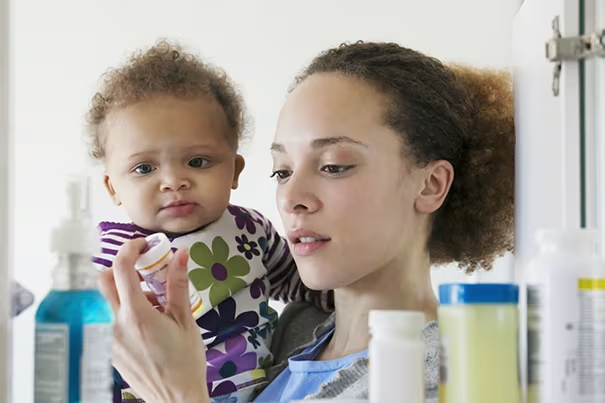
What to stock in your medicine cabinet.
Use a child safety lock to secure your medicine cabinet with all the medicines, plasters and creams that a child could possibly need.
Read more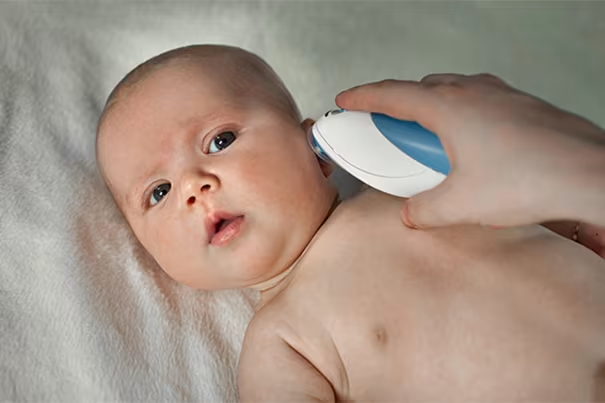
Dealing with fever in newborns and babies
Fever in babies is a sign of infection, learn how to measure baby's body temperature, remedies and what to tell your doctor just by reading this article.
Read more
What Is SIDS, and How Can I Reduce the Risk
As a new parent, it is understandable to worry about SIDS. Thankfully it is quite rare, and with these steps you can help to reduce the risk to your baby.
Read more
Common NICU Tests That You Should Know About
Your baby is likely to need a number of different tests and procedures while in the NICU, where babies undergo regular testing. There is no need to worry, and you can learn more about the tests here.
Read more
Paediatricians: Work with the health worker
Identifying the perfect paediatrician before your child's birth can help to save a lot of stress down the line. Commonly the best are found from referral.
Read more
Giving your baby and young child medicine
Giving a baby medicine should only be done under the instructions of a medical professional, commonly for issues such as baby rashes or colic.
Read moreWhat to stock in your medicine cabinet.
Use a child safety lock to secure your medicine cabinet with all the medicines, plasters and creams that a child could possibly need.
Read moreDealing with fever in newborns and babies
Fever in babies is a sign of infection, learn how to measure baby's body temperature, remedies and what to tell your doctor just by reading this article.
Read moreWhat Is SIDS, and How Can I Reduce the Risk
As a new parent, it is understandable to worry about SIDS. Thankfully it is quite rare, and with these steps you can help to reduce the risk to your baby.
Read moreCommon NICU Tests That You Should Know About
Your baby is likely to need a number of different tests and procedures while in the NICU, where babies undergo regular testing. There is no need to worry, and you can learn more about the tests here.
Read morePaediatricians: Work with the health worker
Identifying the perfect paediatrician before your child's birth can help to save a lot of stress down the line. Commonly the best are found from referral.
Read moreGiving your baby and young child medicine
Giving a baby medicine should only be done under the instructions of a medical professional, commonly for issues such as baby rashes or colic.
Read moreWhat to stock in your medicine cabinet.
Use a child safety lock to secure your medicine cabinet with all the medicines, plasters and creams that a child could possibly need.
Read moreDealing with fever in newborns and babies
Fever in babies is a sign of infection, learn how to measure baby's body temperature, remedies and what to tell your doctor just by reading this article.
Read more