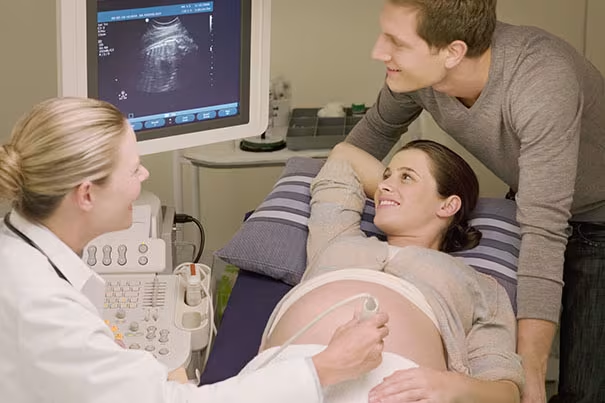
Labour advice and tips for childbirth


The techniques you learn in childbirth classes to lessen your discomfort during labour don't stop working once you've given birth; they are life skills as well.
These methods can help you to relax while breastfeeding, stay calm during the most trying moments of parenthood and even cope with the emotional and physical pains of life in general.
Of course, your primary concern at the moment is making your labour more manageable and these techniques will do just that. You may find that the strategies alone will ease the pain of your contractions. Or you may discover that they allow you to decrease the amount of medication you need or delay the start of an epidural anaesthetic, which may benefit your baby and your progress in labour.
Here are a few of the skills that you'll learn to assist you in delivery and beyond:
1. Pelvic Rock
Labour benefit:
Decreases the discomfort of back labour by helping the baby to move into an anterior position, with the back of the head towards the mother's abdomen and the face towards the mother's back.
Life skill:
Soothes lower backache. It also strengthens abdominal muscles and improves posture.
How it's done
Although you can practice the pelvic rock in almost any position, the easiest way to learn it is on your back. Be sure to turn onto your side after doing the exercise so you're not flat on your back for more than a few minutes. (Lying on your back puts more pressure on the blood vessels in your pelvis, which in turn may decrease oxygen supply and cause you to feel lightheaded.)
2. Progressive Relaxation
Labour benefit:
This 'walk through your body' helps you to remain relaxed between contractions and minimises pain during contractions.
Life skill:
Relaxes you whenever you're feeling tense.
How it's done
1. Get into a comfortable position, either lying down or sitting in a comfy chair.
4. End with a couple of slow, deep breaths, again going in through your nose and out through your mouth and open your eyes. Your limbs should feel heavy and your entire body relaxed.
3. Visual Imagery
Labour benefit:
Visual imagery – creating a picture in your mind – helps you to stay calm during and between contractions.
Life skill:
Creates a sense of peace whenever you feel stressed.
How it's done
You can practise visual imagery after progressive relaxation or on its own.
4. Slow-paced Breathing
Labour benefit:
Helps you to relax and focus during contractions.
Life skill:
Can be used to let off steam whenever you're feeling stressed, nervous or angry.
How it's done
1. Begin by relaxing your body and focusing on something visually: Either keep your eyes open and look at something or someone near you, or close your eyes and imagine something beautiful in your mind.
By putting these methods to practice you will find that they will become life-long habits that will help you to relax while breastfeeding, stay calm during the most trying moments of parenthood and even cope with the emotional and physical pains of life in general.


Birthing classes: Find your ideal course
Planning on having ante-natal classes as a part of your birth plan? Most first-time mums will choose to go to ante-natal classes, learn why.
Read more
Healing After Childbirth
Healing after childbirth will depend on your body, age, birthing type and more. See some of the best ways to improve your healing after childbirth.
Read more
What to Expect After Birth
Curious to find out what happens after giving birth? Learn about how your body will return to normal in the postpartum phase after it has gone through a multitude of changes during pregnancy. Get handy basics of what happens to you and your baby after birth.
Read more
What You Need to Know about Natural Childbirth
What to expect during a natural delivery? Learn all you need to know about natural childbirth, including its benefits, how to create a birth plan, and what your pain relief options are here.
Read more
Early Symptoms of Labour
Our experts explain the early signs of labour and what to do when they occur. Knowing the symptoms of labour before they happen can help to ensure a safe birth.
Read more
Giving birth: labour support and doula's role
Learn about the role of the doula during childbirth, also known as a birth companion. A post-birth supporter can provide valuable emotional support.
Read more
Epidural: What Is It and How Does It Work?
Epidural anesthesia is one of the most popular and highly requested method of pain relief during labor. Discover more about what it is and how it works.
Read more
Comfort measures during labour
Find out what mums found to be the best comfort measures during pregnancy. From traditional pain medicine to birthing balls, it's all covered here.
Read moreBirthing classes: Find your ideal course
Planning on having ante-natal classes as a part of your birth plan? Most first-time mums will choose to go to ante-natal classes, learn why.
Read moreHealing After Childbirth
Healing after childbirth will depend on your body, age, birthing type and more. See some of the best ways to improve your healing after childbirth.
Read moreWhat to Expect After Birth
Curious to find out what happens after giving birth? Learn about how your body will return to normal in the postpartum phase after it has gone through a multitude of changes during pregnancy. Get handy basics of what happens to you and your baby after birth.
Read moreWhat You Need to Know about Natural Childbirth
What to expect during a natural delivery? Learn all you need to know about natural childbirth, including its benefits, how to create a birth plan, and what your pain relief options are here.
Read moreEarly Symptoms of Labour
Our experts explain the early signs of labour and what to do when they occur. Knowing the symptoms of labour before they happen can help to ensure a safe birth.
Read moreGiving birth: labour support and doula's role
Learn about the role of the doula during childbirth, also known as a birth companion. A post-birth supporter can provide valuable emotional support.
Read moreEpidural: What Is It and How Does It Work?
Epidural anesthesia is one of the most popular and highly requested method of pain relief during labor. Discover more about what it is and how it works.
Read moreComfort measures during labour
Find out what mums found to be the best comfort measures during pregnancy. From traditional pain medicine to birthing balls, it's all covered here.
Read more