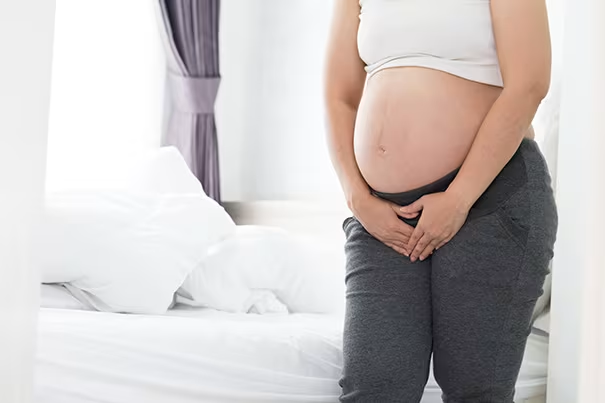
Pregnancy Symptoms: Frequent Urination


You may be wondering whether peeing a lot is a sign of pregnancy or whether this urge to pee so often will ever go away. Frequent urination early pregnancy is a common symptom, but it can also reappear later on during pregnancy as your uterus and baby grow, putting pressure on your bladder. Although it can definitely be annoying, in most cases, it’s nothing to worry about. Read on to find out what causes frequent urination during pregnancy, get some tips to help you manage it, and learn the signs that indicate it may be linked to another condition, like a urinary tract infection.
What Causes Frequent Urination During Pregnancy?
What makes you need to pee more is often the increased amount of blood in your body. To process this blood flow, your kidneys need to produce extra fluids, which then end up in your bladder. Although peeing often during pregnancy is annoying, it’s also a normal and common pregnancy symptom. Here are some frequently asked questions about this symptom:
Tips to Manage Peeing Often While Pregnant
You can’t really avoid more frequent urination, and you really wouldn’t want to, as it’s a natural consequence of drinking lots of fluids to stay well hydrated and healthy during pregnancy. It’s also important take care of the pregnancy fatigue, by taking rest properly. Here are some tips that might help make your life easier:
Can Pregnancy Peeing Be a Sign of a Problem?
More frequent urination is usually a normal pregnancy symptom. However, sometimes it can be a sign of a medical condition that may require treatment by your healthcare provider. These conditions include:
Frequent urination during early pregnancy is common and usually nothing to worry about. Although it may feel as if you are peeing all the time, keep in mind that it may ease up for a time, before returning later on. Once your baby is born, your urge to pee more often should go away, and you’ll only have your newborn’s pee to worry about!

How to get Rid of Stretch Marks during Pregnancy
As your body grows to accommodate your baby by 6 to 7 months, you might start to develop pregnancy stretch marks. Learn about when they may appear and what you can do to minimize them.
Read more
Breast Changes You May Experience During Pregnancy
Breast changes during pregnancy are often caused by increased hormone levels. You might notice that your breasts will become heavier and denser during this time.
Read more
Anaemia In Pregnancy: Symptoms And Treatment
What are the symptoms of anaemia? If you are suffering from anemia during pregnancy, this could be due to lack of iron or folic acid supplement. Visit now to know more!
Read more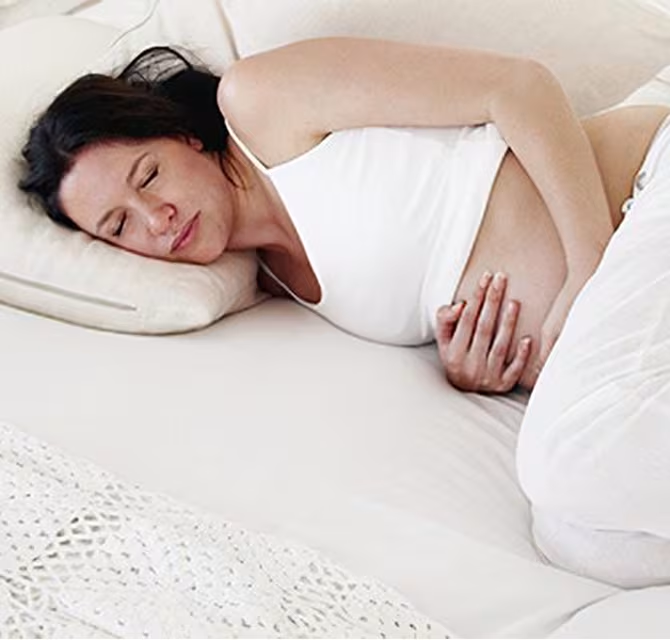
Signs and Symptoms of Labour
Labour can be the most difficult period of pregnancy, but don’t worry as we’re here to guide you through the signs and symptoms of labour and provide you tips to ease the pain of labour.
Read more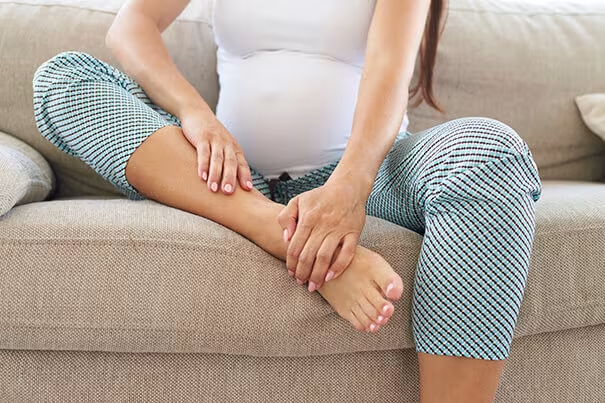
The A-Z Body Aches and Pains in Pregnancy
As your body changes during pregnancy, aches and pains can be common. From back pain to varicose veins, here’s our tips on how to alleviate common pregnancy aches.
Read more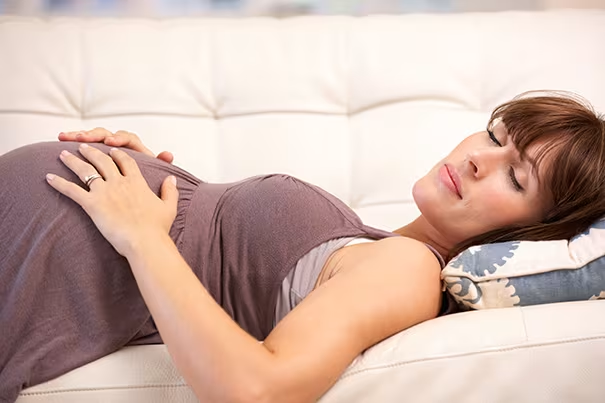
All About Pregnancy Fatigue
During pregnancy your body has to deal with significant change, and this can lead to moms-to-be feeling fatigued. Here’s our advice on how to deal with pregnancy fatigue.
Read more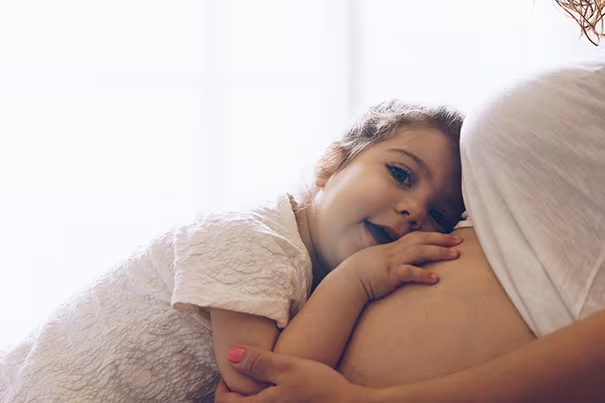
Differences in Pregnancy Symptoms During a Second Pregnancy
You’ve experienced it before, but no two pregnancies are quite alike. While some symptoms will be familiar, some may be new during your second pregnancy.
Read more
Early pregnancy: strange tastes and cravings
A healthy pregnancy relies on a healthy diet to match. Learn from our experts about planning your diet and what foods to avoid during pregnancy.
Read more
Mood swings during pregnancy
Pregnancy mood swings can be just as challenging as the physical symptoms. Learn all about the causes of mood swings in pregnant women and how to control pregnancy mood swings by Pampers AE experts.
Read more
Pregnancy Warning Signs You Should Not Ignore
Although serious complications in pregnancy are rare, it is important to know when something might not be quite right. Here what you need to know!
Read moreHow to get Rid of Stretch Marks during Pregnancy
As your body grows to accommodate your baby by 6 to 7 months, you might start to develop pregnancy stretch marks. Learn about when they may appear and what you can do to minimize them.
Read moreBreast Changes You May Experience During Pregnancy
Breast changes during pregnancy are often caused by increased hormone levels. You might notice that your breasts will become heavier and denser during this time.
Read moreAnaemia In Pregnancy: Symptoms And Treatment
What are the symptoms of anaemia? If you are suffering from anemia during pregnancy, this could be due to lack of iron or folic acid supplement. Visit now to know more!
Read moreSigns and Symptoms of Labour
Labour can be the most difficult period of pregnancy, but don’t worry as we’re here to guide you through the signs and symptoms of labour and provide you tips to ease the pain of labour.
Read moreThe A-Z Body Aches and Pains in Pregnancy
As your body changes during pregnancy, aches and pains can be common. From back pain to varicose veins, here’s our tips on how to alleviate common pregnancy aches.
Read moreAll About Pregnancy Fatigue
During pregnancy your body has to deal with significant change, and this can lead to moms-to-be feeling fatigued. Here’s our advice on how to deal with pregnancy fatigue.
Read moreDifferences in Pregnancy Symptoms During a Second Pregnancy
You’ve experienced it before, but no two pregnancies are quite alike. While some symptoms will be familiar, some may be new during your second pregnancy.
Read moreEarly pregnancy: strange tastes and cravings
A healthy pregnancy relies on a healthy diet to match. Learn from our experts about planning your diet and what foods to avoid during pregnancy.
Read more