
A219

Pregnancy Warning Signs You Should Not Ignore

3 min readUpdated May 21, 2020

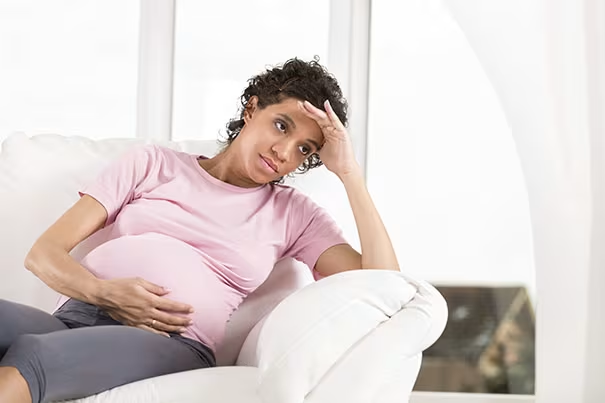
Most of the symptoms women experience during pregnancy are normal, even if they're not exactly comfortable. They are simply one result of being pregnant. Still, it's easy to worry and wonder whether everything is OK and how to know if it's not. Although true complications are rare, it's always good to know what to look out for. Read on for some pregnancy warning signs that are worth contacting your doctor or healthcare provider about.

Pregnancy Warning Signs

Remember, some of these symptoms may be normal symptoms of pregnancy, but they may also be signs of something more serious, so consult your doctor or healthcare provider if you notice any of these:

  • Persistent abdominal pain. It's normal to wonder: Is abdominal pain a common symptom of pregnancy? Discomfort associated with round ligament pain, for example, may be perfectly normal, but abdominal pain, possibly accompanied by fever or chills, may be a sign that there's something wrong. In this case, it's best to contact your healthcare provider.

  • Severe headache. Headaches during pregnancy can be caused by many factors, including hormonal changes, stress, and fatigue, but if your headache feels severe, it may be a sign of high blood pressure or the high blood pressure disorder called preeclampsia. Preeclampsia is a serious condition that requires medical treatment to protect your health and the health of your baby.

  • Changes in eyesight. Changes in vision, such as temporary loss of vision, blurred vision, or light sensitivity, may be linked to complications like gestational hypertension or preeclampsia.

  • Fainting or dizziness. Feeling lightheaded can be a normal symptom of early pregnancy. You might also feel dizzy later during pregnancy due to things like circulation problems or low blood sugar levels. But, if this feeling of dizziness persists, if you feel faint or actually do faint, or if your dizziness is combined with other symptoms like blurred vision, vaginal bleeding, headaches, or pain in your abdomen, consult your healthcare provider so that a cause can be identified and treated.

  • Unusual weight gain, and swelling or puffiness. Sudden, large weight gain (not related to overeating!) is linked to the possibility of preeclampsia. You may notice this weight gain is combined with swelling of the face and hands (edema). Remember, some swelling of your feet or hands may be normal, but should be monitored.

  • Urge to pee or burning sensation while you urinate. If you feel an increased urge to pee, but find only a few drops come out, or if you have a burning sensation while you urinate, it may be a sign of a urinary tract infection (UTI). Other symptoms of a UTI can include fever, chills, or blood-tinged urine. Your provider will be able to diagnose your symptoms and treat the bacterial infection to avoid complications. Keep in mind that frequent urination on its own is a common pregnancy symptom during the first trimester and later on in pregnancy, as your baby grows and presses on your bladder.

  • Persistent or severe vomiting. Vomiting, along with nausea, can be a completely normal first trimester symptom. It's more commonly known as “morning sickness,” but it doesn't necessarily appear only in the morning! If, however, your morning sickness is severe (and it's combined with other symptoms like dizziness or bloody vomit), it may be a condition called hyperemesis gravidarum, which requires medical attention. After the first trimester, if you experience vomiting, consult your healthcare provider to rule out anything serious and to treat the nausea.

  • Severe pain above the stomach, under the rib cage. This pain (especially if it's combined with other symptoms like blurred vision, severe headaches, or nausea) may be a sign of high blood pressure and an associated condition called preeclampsia. Your healthcare provider will monitor your blood pressure during prenatal visits, but if you notice any of the signs of preeclampsia, then contact your provider right away.

  • Itching all over. Intense itching that is not combined with a rash may be a condition commonly known as cholestasis of pregnancy, which is a liver condition that can occur in late pregnancy. Contact your healthcare provider right away if you notice an extreme itchy feeling. Remember, having itchy skin during pregnancy can also be completely normal. This is because as your baby grows, your skin stretches; as your skin stretches it can also become dry, causing areas like your belly, breasts, and thighs to itch.

  • Vaginal bleeding or spotting. Early on in the pregnancy, it can be normal to experience spotting that's known as implantation bleeding, but bleeding can also be a sign of placenta previa or a cervical infection. If in doubt, tell your healthcare provider if you notice any spotting or bleeding during your pregnancy.

  • Preterm (before the end of 37 weeks of pregnancy) uterine contractions. Although these sensations can be perfectly normal Braxton Hicks practice contractions, if your contractions persist (i.e., don't stop when you move or change positions) and become painful or regular, it may be a sign you are in preterm labor. In this case, it's very important to contact your doctor right away.

  • Gush or trickle of fluid from your vagina before the end of 37 weeks of pregnancy. Premature rupture of membranes, also known as your "water breaking," can show as a trickle, steady leaking, or a gush of fluid from your vagina before your pregnancy is full-term. Call your provider right away if you notice this. Depending on how many weeks pregnant you are, your healthcare provider will advise on the best course of action. Once you're full-term, your water breaking is a sign that labor has started.

  • Feeling your baby move less often. Women typically feel the baby fluttering, kicking, or turning somewhere between 18 to 25 weeks of pregnancy. Once you're well into the third trimester, you can try to monitor your baby's movements. At about the same time each day, lie down, and keep track of how long it takes to feel 10 kicks, rolls, or flutters. It may take only a few minutes, but if an hour passes without any movement, eat a light snack, lie back down, and try again. You can keep track of these movements in a notebook. If you notice an absence of movement or if your baby isn't moving as much as usual over several days, call your healthcare provider to double-check everything is progressing well.

  • Signs of ectopic pregnancy. Some of the symptoms of an ectopic pregnancy are also normal early pregnancy symptoms. But. if you notice light vaginal bleeding combined with abdominal or pelvic pain, extreme lightheadedness, or shoulder pain early in your pregnancy, consult your healthcare provider immediately.

If you experience any of these, call your healthcare provider right away, but remember, these are just some of the pregnancy symptoms you should never ignore. If you're in any doubt or you just don't feel right, it's always better to consult your doctor or provider. This way, you won't worry, and if a problem does exist, it can be taken care of immediately.

Related Articles

See more articles
See more articles
Slide 1 of 10
Stretch Marks during Pregnancy
General Symptoms4 min read

How to get Rid of Stretch Marks during Pregnancy

As your body grows to accommodate your baby by 6 to 7 months, you might start to develop pregnancy stretch marks. Learn about when they may appear and what you can do to minimize them.

Read more
Breast Changes in Pregnancy
General Symptoms5 min read

Breast Changes You May Experience During Pregnancy

Breast changes during pregnancy are often caused by increased hormone levels. You might notice that your breasts will become heavier and denser during this time.

Read more
Anemia during Pregnancy
General Symptoms5 min read

Anaemia In Pregnancy: Symptoms And Treatment

What are the symptoms of anaemia? If you are suffering from anemia during pregnancy, this could be due to lack of iron or folic acid supplement. Visit now to know more!

Read more

signs of labour
General Symptoms9 min read

Signs and Symptoms of Labour

Labour can be the most difficult period of pregnancy, but don’t worry as we’re here to guide you through the signs and symptoms of labour and provide you tips to ease the pain of labour.

Read more

Mum-to-be nurses her swollen and sore ankles
General Symptoms10 min read

The A-Z Body Aches and Pains in Pregnancy

As your body changes during pregnancy, aches and pains can be common. From back pain to varicose veins, here’s our tips on how to alleviate common pregnancy aches.

Read more

Mum-to-be taking a nap on the couch
General Symptoms4 min read

All About Pregnancy Fatigue

During pregnancy your body has to deal with significant change, and this can lead to moms-to-be feeling fatigued. Here’s our advice on how to deal with pregnancy fatigue.

Read more

Toddler listens to pregnant mum’s tummy
General Symptoms4 min read

Differences in Pregnancy Symptoms During a Second Pregnancy

You’ve experienced it before, but no two pregnancies are quite alike. While some symptoms will be familiar, some may be new during your second pregnancy.

Read more

A209
General Symptoms2 min read

Early pregnancy: strange tastes and cravings

A healthy pregnancy relies on a healthy diet to match. Learn from our experts about planning your diet and what foods to avoid during pregnancy.

Read more
Pregnant mum-to-be getting out of bed to pee
General Symptoms5 min read

Pregnancy Symptoms: Frequent Urination

Worried about frequent urination during pregnancy? Worry not. Learn about causes and effects of frequent urination in second & third trimester.

Read more
A206
General Symptoms4 min read

Mood swings during pregnancy

Pregnancy mood swings can be just as challenging as the physical symptoms. Learn all about the causes of mood swings in pregnant women and how to control pregnancy mood swings by Pampers AE experts.

Read more
Stretch Marks during Pregnancy
General Symptoms4 min read

How to get Rid of Stretch Marks during Pregnancy

As your body grows to accommodate your baby by 6 to 7 months, you might start to develop pregnancy stretch marks. Learn about when they may appear and what you can do to minimize them.

Read more
Breast Changes in Pregnancy
General Symptoms5 min read

Breast Changes You May Experience During Pregnancy

Breast changes during pregnancy are often caused by increased hormone levels. You might notice that your breasts will become heavier and denser during this time.

Read more
Anemia during Pregnancy
General Symptoms5 min read

Anaemia In Pregnancy: Symptoms And Treatment

What are the symptoms of anaemia? If you are suffering from anemia during pregnancy, this could be due to lack of iron or folic acid supplement. Visit now to know more!

Read more
signs of labour
General Symptoms9 min read

Signs and Symptoms of Labour

Labour can be the most difficult period of pregnancy, but don’t worry as we’re here to guide you through the signs and symptoms of labour and provide you tips to ease the pain of labour.

Read more
Mum-to-be nurses her swollen and sore ankles
General Symptoms10 min read

The A-Z Body Aches and Pains in Pregnancy

As your body changes during pregnancy, aches and pains can be common. From back pain to varicose veins, here’s our tips on how to alleviate common pregnancy aches.

Read more
Mum-to-be taking a nap on the couch
General Symptoms4 min read

All About Pregnancy Fatigue

During pregnancy your body has to deal with significant change, and this can lead to moms-to-be feeling fatigued. Here’s our advice on how to deal with pregnancy fatigue.

Read more
Toddler listens to pregnant mum’s tummy
General Symptoms4 min read

Differences in Pregnancy Symptoms During a Second Pregnancy

You’ve experienced it before, but no two pregnancies are quite alike. While some symptoms will be familiar, some may be new during your second pregnancy.

Read more
A209
General Symptoms2 min read

Early pregnancy: strange tastes and cravings

A healthy pregnancy relies on a healthy diet to match. Learn from our experts about planning your diet and what foods to avoid during pregnancy.

Read more