
Giving your baby and young child medicine


The secret to getting a child to take medicine? Making them believe that they need it. A child can sense your doubt and will resist no matter what you do, unless you sincerely believe what's you're doing is best. Be confident and determined to inspire your child's trust and confidence.
Tips for getting your child to take her medicine
Age-specific
Here are some specific strategies and techniques based on your child's age.
Infants
Toddlers and pre-schoolers
You can reduce the bad taste of some liquid medicines in several ways.


What Is Cradle Cap and How Can I Soothe My Baby’s Skin?
It may look a little worrying, but cradle cap is a common and easily manageable condition for babies. Here’s our advice for how to soothe your little one.
Read more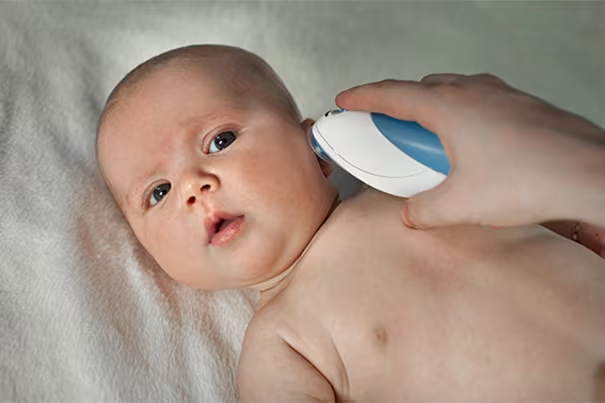
Dealing with fever in newborns and babies
Fever in babies is a sign of infection, learn how to measure baby's body temperature, remedies and what to tell your doctor just by reading this article.
Read more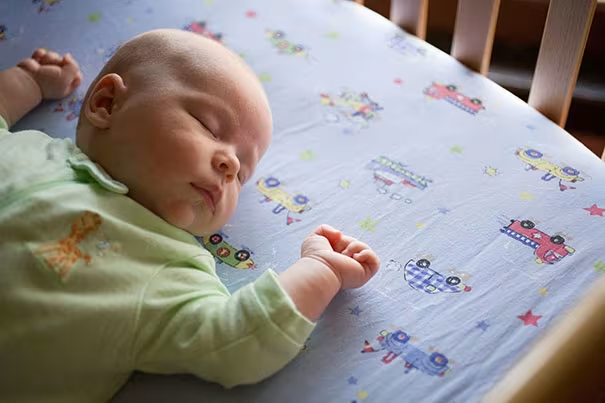
What Is SIDS, and How Can I Reduce the Risk
As a new parent, it is understandable to worry about SIDS. Thankfully it is quite rare, and with these steps you can help to reduce the risk to your baby.
Read more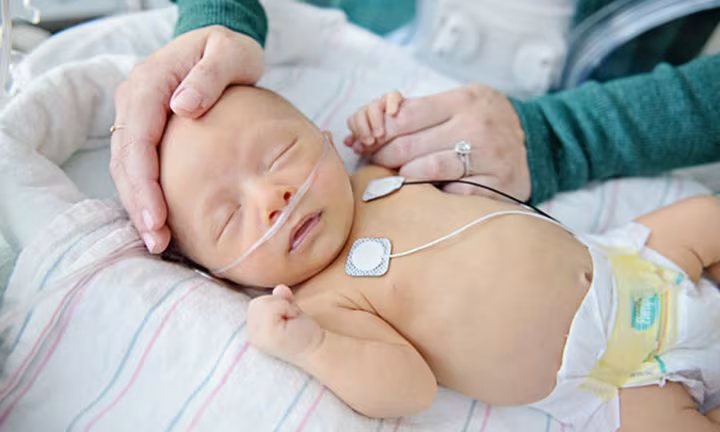
Common NICU Tests That You Should Know About
Your baby is likely to need a number of different tests and procedures while in the NICU, where babies undergo regular testing. There is no need to worry, and you can learn more about the tests here.
Read more
Paediatricians: Work with the health worker
Identifying the perfect paediatrician before your child's birth can help to save a lot of stress down the line. Commonly the best are found from referral.
Read more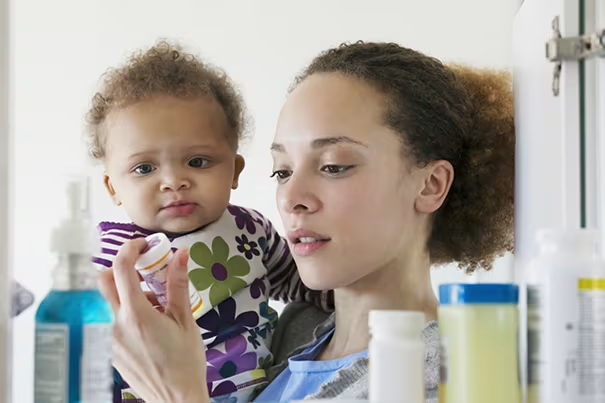
What to stock in your medicine cabinet.
Use a child safety lock to secure your medicine cabinet with all the medicines, plasters and creams that a child could possibly need.
Read moreWhat Is Cradle Cap and How Can I Soothe My Baby’s Skin?
It may look a little worrying, but cradle cap is a common and easily manageable condition for babies. Here’s our advice for how to soothe your little one.
Read moreDealing with fever in newborns and babies
Fever in babies is a sign of infection, learn how to measure baby's body temperature, remedies and what to tell your doctor just by reading this article.
Read moreWhat Is SIDS, and How Can I Reduce the Risk
As a new parent, it is understandable to worry about SIDS. Thankfully it is quite rare, and with these steps you can help to reduce the risk to your baby.
Read moreCommon NICU Tests That You Should Know About
Your baby is likely to need a number of different tests and procedures while in the NICU, where babies undergo regular testing. There is no need to worry, and you can learn more about the tests here.
Read morePaediatricians: Work with the health worker
Identifying the perfect paediatrician before your child's birth can help to save a lot of stress down the line. Commonly the best are found from referral.
Read moreWhat to stock in your medicine cabinet.
Use a child safety lock to secure your medicine cabinet with all the medicines, plasters and creams that a child could possibly need.
Read moreWhat Is Cradle Cap and How Can I Soothe My Baby’s Skin?
It may look a little worrying, but cradle cap is a common and easily manageable condition for babies. Here’s our advice for how to soothe your little one.
Read moreDealing with fever in newborns and babies
Fever in babies is a sign of infection, learn how to measure baby's body temperature, remedies and what to tell your doctor just by reading this article.
Read more