
Mother and toddler separation anxiety


Socialisation, greater mobility and a growing vocabulary all prepare children for life changes. These transitions can be hard on both sides. A parent watches from the sidelines in angst, fearful that her child will fall over after taking those first few steps on her own. A child begins to feel sad when she has to say goodbye to a friend after a particularly fun play date.
Separation and anxiety
Separation is a challenge when children become intensely anxious about leaving a parent or caregiver. Some anxiety is normal and even expected. Separation is harder to manage when the anxiety becomes more intense, long-lasting and ongoing. The child who doesn't want to go to day care is a common example. Your child may go to great lengths to stay at home with you.
How to help your child
Keep in mind that problems with separation often arise during developmental transitions like sleeping in a 'big girl/boy bed' or adjusting to a new little brother or sister.
First day of school
Going to school for the first time is another important transition for children. Explore ways to make the transition easier. Meet soon-to-be-classmates and visit the school the summer before to minimise the fear of the unknown. Many nursery or pre-schools have phase-in programmes where parents attend school with their children at the beginning of the year.
How to help yourself
Remember this: growing up is hard to do, for children and their parents!


Toddler biting: stopping children from biting
During teething stages it's normal for babies to try and bite anything, including people! See how to stop your baby from biting, while helping them teethe.
Read more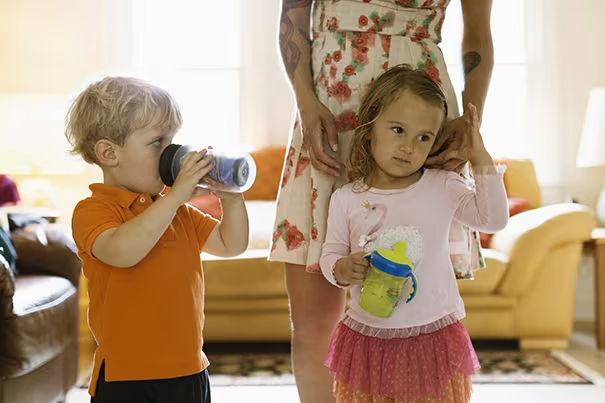
How to handle aggressive behaviour
Combating aggressive behaviour in toddlers is a priority for all parents, as it will help to shape the child's behaviour throughout their lives.
Read more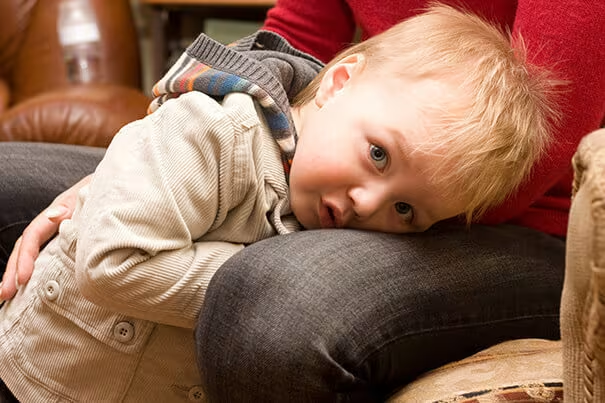
Shy children: overcoming shyness
Helping your child to overcome shyness will give them to opportunity to interact with their peers and make friends. Learn more about anxiety in children.
Read more
The Emotional Child: why some babies cry more
Find out what causes babies and toddlers to cry, with alternative methods to help them stop. Learn more about colic and what typically causes crying.
Read more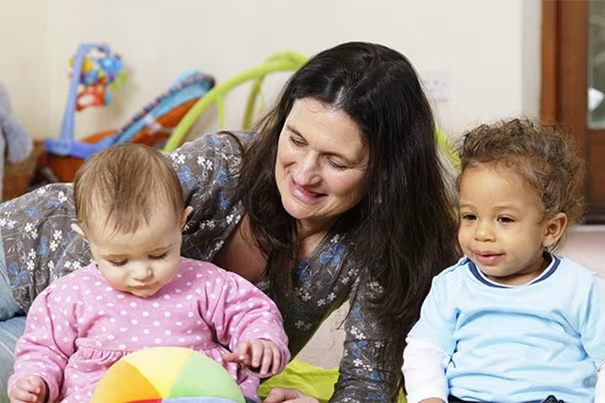
Toddler activities: playmates and interaction
Finding playmates for your toddler can help to increase their group interaction and sociability, which can be useful prior to joining nursery school.
Read more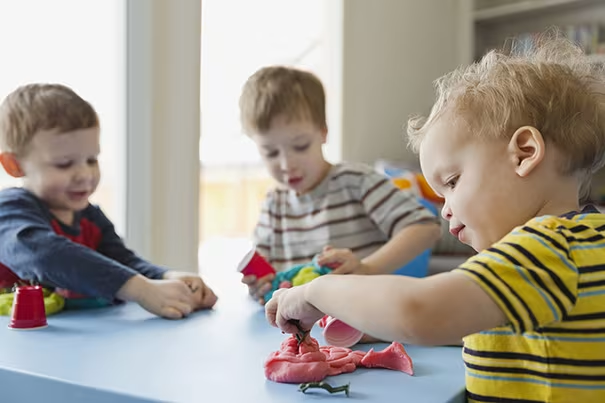
Importance of play in childhood development
Here we write about the role of different types of play activities and how they affect the cognitive development of your 2-year old toddler.
Read more
Dealing with anxiety & fear in children
Check out these practical tips on how parents can help their toddler to overcome anxiety and deal with their emotions effectively.
Read more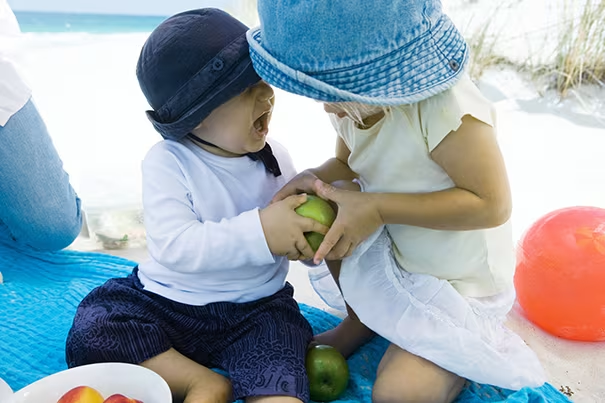
Why does my toddler hit?
Teaching your toddler to express their emotions verbally, as opposed to physically will provide them with a solid emotional foundation to live with.
Read moreToddler biting: stopping children from biting
During teething stages it's normal for babies to try and bite anything, including people! See how to stop your baby from biting, while helping them teethe.
Read moreHow to handle aggressive behaviour
Combating aggressive behaviour in toddlers is a priority for all parents, as it will help to shape the child's behaviour throughout their lives.
Read moreShy children: overcoming shyness
Helping your child to overcome shyness will give them to opportunity to interact with their peers and make friends. Learn more about anxiety in children.
Read moreThe Emotional Child: why some babies cry more
Find out what causes babies and toddlers to cry, with alternative methods to help them stop. Learn more about colic and what typically causes crying.
Read moreToddler activities: playmates and interaction
Finding playmates for your toddler can help to increase their group interaction and sociability, which can be useful prior to joining nursery school.
Read moreImportance of play in childhood development
Here we write about the role of different types of play activities and how they affect the cognitive development of your 2-year old toddler.
Read moreDealing with anxiety & fear in children
Check out these practical tips on how parents can help their toddler to overcome anxiety and deal with their emotions effectively.
Read moreWhy does my toddler hit?
Teaching your toddler to express their emotions verbally, as opposed to physically will provide them with a solid emotional foundation to live with.
Read more