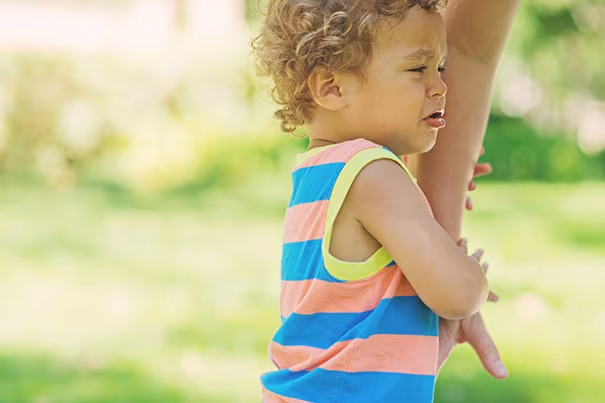
Dealing with anxiety & fear in children


Most toddlers' fears are predictable and serve to keep them safe. Many children this age are scared of loud noises, large crowds, new people and even things that to an adult seem perfectly benign – like a petting zoo.
Respect your child's feelings
Encourage him to try new things by watching his reaction to new experiences and following his lead. Stay close all the time. For example, if you see someone walking a dog, ask the owner if it's safe to pet the pooch. Then take your child's hand in yours and show him how to approach the animal. If he's reluctant, back off. Forcing him to face an unfamiliar situation before he's ready will increase his wariness and shake his trust in you.
Children don't learn when they're scared
When he's relaxed and free from pressure, your toddler will watch your reaction to a strange situation and, eventually, take his cue from you. So show your own enthusiasm, and support your child's advances. Allow him time to take stock of each new situation, and be there to show him the way.

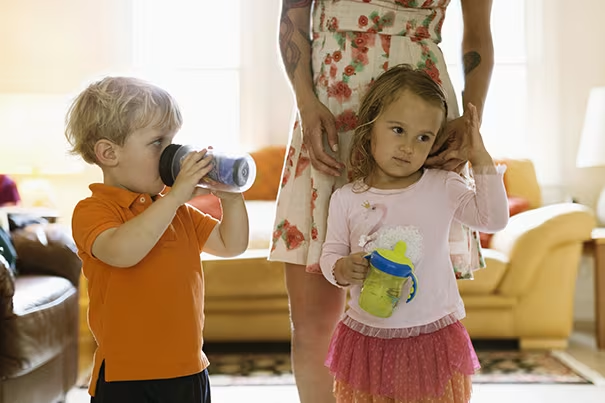
How to handle aggressive behaviour
Combating aggressive behaviour in toddlers is a priority for all parents, as it will help to shape the child's behaviour throughout their lives.
Read more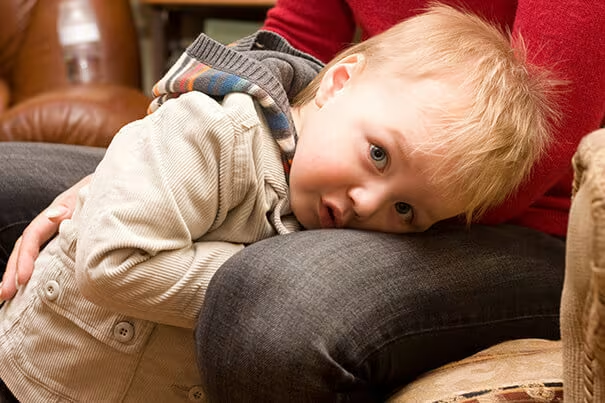
Shy children: overcoming shyness
Helping your child to overcome shyness will give them to opportunity to interact with their peers and make friends. Learn more about anxiety in children.
Read more
The Emotional Child: why some babies cry more
Find out what causes babies and toddlers to cry, with alternative methods to help them stop. Learn more about colic and what typically causes crying.
Read more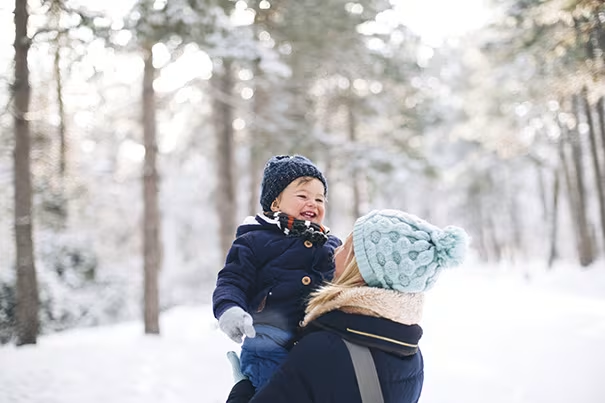
Mother and toddler separation anxiety
Anxiety is common for mothers when they are separated from their toddlers, even for short periods of time. Find out about dealing with separation anxiety.
Read more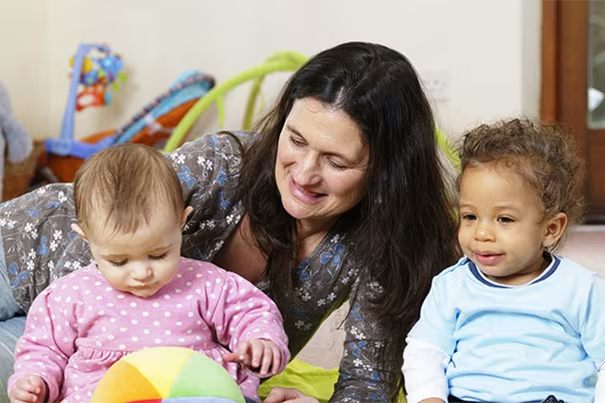
Toddler activities: playmates and interaction
Finding playmates for your toddler can help to increase their group interaction and sociability, which can be useful prior to joining nursery school.
Read more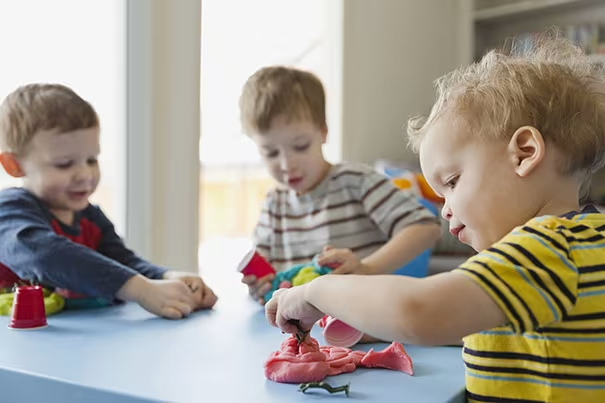
Importance of play in childhood development
Here we write about the role of different types of play activities and how they affect the cognitive development of your 2-year old toddler.
Read more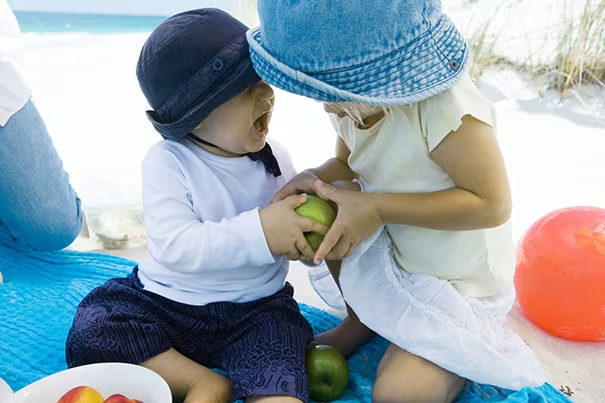
Why does my toddler hit?
Teaching your toddler to express their emotions verbally, as opposed to physically will provide them with a solid emotional foundation to live with.
Read more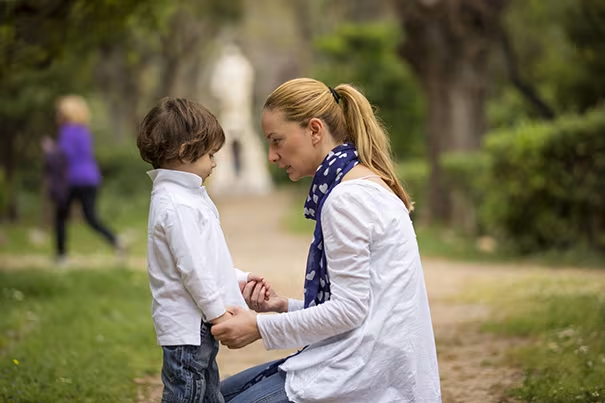
Toddler biting: stopping children from biting
During teething stages it's normal for babies to try and bite anything, including people! See how to stop your baby from biting, while helping them teethe.
Read moreHow to handle aggressive behaviour
Combating aggressive behaviour in toddlers is a priority for all parents, as it will help to shape the child's behaviour throughout their lives.
Read moreShy children: overcoming shyness
Helping your child to overcome shyness will give them to opportunity to interact with their peers and make friends. Learn more about anxiety in children.
Read moreThe Emotional Child: why some babies cry more
Find out what causes babies and toddlers to cry, with alternative methods to help them stop. Learn more about colic and what typically causes crying.
Read moreMother and toddler separation anxiety
Anxiety is common for mothers when they are separated from their toddlers, even for short periods of time. Find out about dealing with separation anxiety.
Read moreToddler activities: playmates and interaction
Finding playmates for your toddler can help to increase their group interaction and sociability, which can be useful prior to joining nursery school.
Read moreImportance of play in childhood development
Here we write about the role of different types of play activities and how they affect the cognitive development of your 2-year old toddler.
Read moreWhy does my toddler hit?
Teaching your toddler to express their emotions verbally, as opposed to physically will provide them with a solid emotional foundation to live with.
Read moreToddler biting: stopping children from biting
During teething stages it's normal for babies to try and bite anything, including people! See how to stop your baby from biting, while helping them teethe.
Read more