
The Emotional Child: why some babies cry more


There are children who routinely respond with tears to what seems like only the slightest provocation or challenge. Often they are viewed with disdain by other children and with embarrassment by their parents.
In the genes
Genetics and temperament seem to play a role in determining which children become cry-babies. They are often the newborns who startle easily, have difficulty adjusting to bright lights, or seem very sensitive to the texture of clothing and nappies.
More tears, more laughter
The positives:
That sensitivity appears to have a positive side as well: later on, these children generally become more empathic. They're quick to pick up and respond to the emotions not only of other children, but also of animals. In their social interactions, they not only cry more than their peers, but laugh more as well.
Why are they so emotional?
Rather than expressions of weakness, melodrama and tears are signs that a young child is emotionally overwhelmed. Since he cannot express the intensity of what he's feeling in words, his emotions come out in tears. Generally, toddlers and pre-schoolers are quite forgiving of a playmate who occasionally cries. It's more of a problem for the parents, who sometimes (and wrongly) interpret their child's tears as evidence of a failure on their part.
How you can help?
There are a few things that you can do to help a sensitive child handle stress his stress.
Your child may easily get upset, but you'll soon realise that his increased sensitivity has its rewarding moments too, and that he will fill his days with laughter and empathy for others.

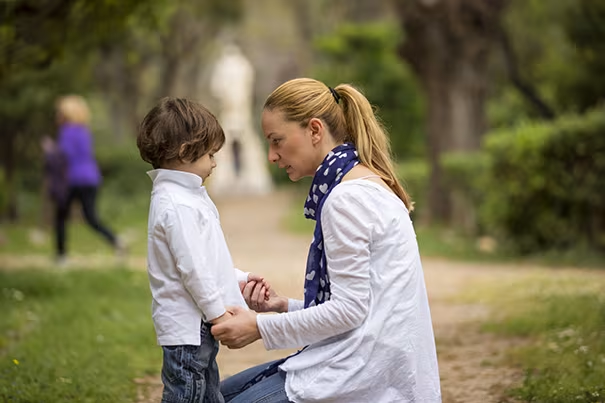
Toddler biting: stopping children from biting
During teething stages it's normal for babies to try and bite anything, including people! See how to stop your baby from biting, while helping them teethe.
Read more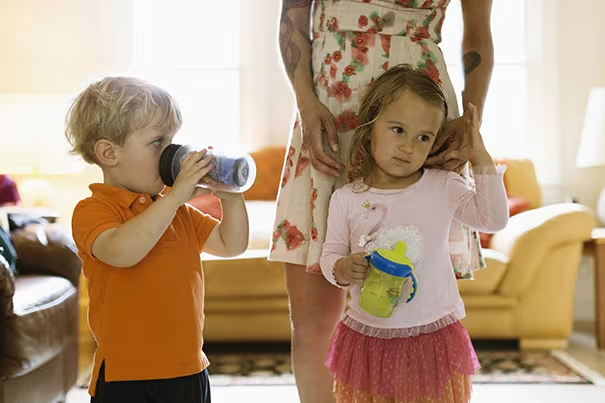
How to handle aggressive behaviour
Combating aggressive behaviour in toddlers is a priority for all parents, as it will help to shape the child's behaviour throughout their lives.
Read more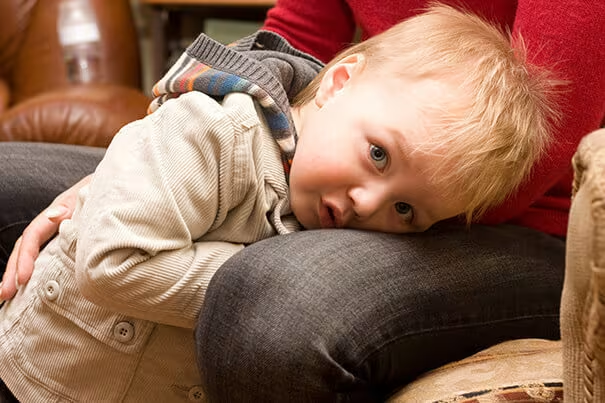
Shy children: overcoming shyness
Helping your child to overcome shyness will give them to opportunity to interact with their peers and make friends. Learn more about anxiety in children.
Read more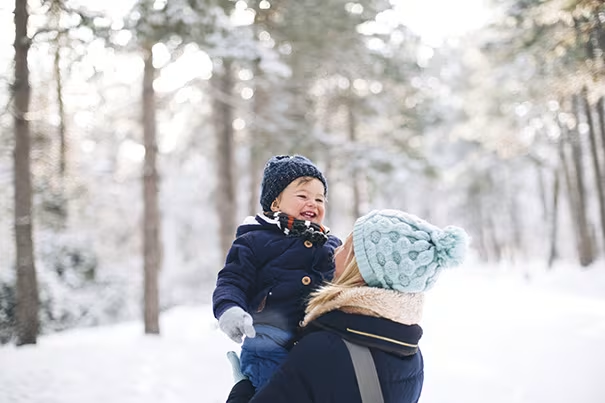
Mother and toddler separation anxiety
Anxiety is common for mothers when they are separated from their toddlers, even for short periods of time. Find out about dealing with separation anxiety.
Read more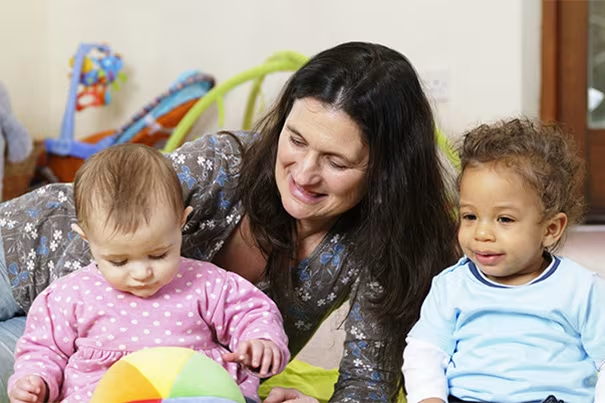
Toddler activities: playmates and interaction
Finding playmates for your toddler can help to increase their group interaction and sociability, which can be useful prior to joining nursery school.
Read more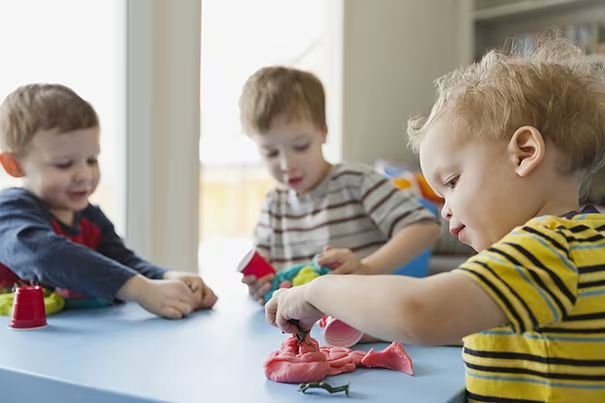
Importance of play in childhood development
Here we write about the role of different types of play activities and how they affect the cognitive development of your 2-year old toddler.
Read more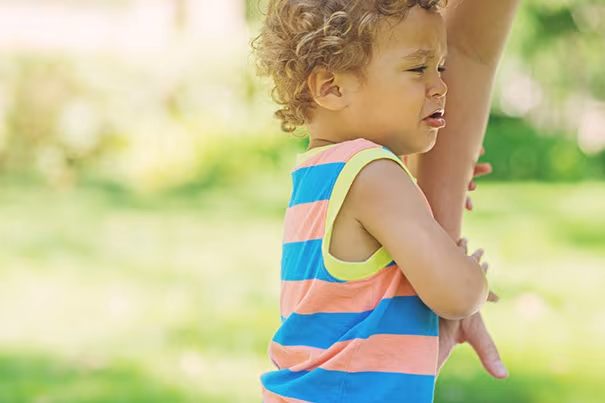
Dealing with anxiety & fear in children
Check out these practical tips on how parents can help their toddler to overcome anxiety and deal with their emotions effectively.
Read more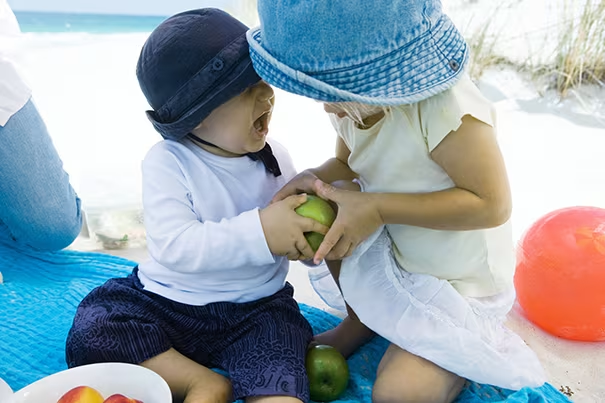
Why does my toddler hit?
Teaching your toddler to express their emotions verbally, as opposed to physically will provide them with a solid emotional foundation to live with.
Read moreToddler biting: stopping children from biting
During teething stages it's normal for babies to try and bite anything, including people! See how to stop your baby from biting, while helping them teethe.
Read moreHow to handle aggressive behaviour
Combating aggressive behaviour in toddlers is a priority for all parents, as it will help to shape the child's behaviour throughout their lives.
Read moreShy children: overcoming shyness
Helping your child to overcome shyness will give them to opportunity to interact with their peers and make friends. Learn more about anxiety in children.
Read moreMother and toddler separation anxiety
Anxiety is common for mothers when they are separated from their toddlers, even for short periods of time. Find out about dealing with separation anxiety.
Read moreToddler activities: playmates and interaction
Finding playmates for your toddler can help to increase their group interaction and sociability, which can be useful prior to joining nursery school.
Read moreImportance of play in childhood development
Here we write about the role of different types of play activities and how they affect the cognitive development of your 2-year old toddler.
Read moreDealing with anxiety & fear in children
Check out these practical tips on how parents can help their toddler to overcome anxiety and deal with their emotions effectively.
Read moreWhy does my toddler hit?
Teaching your toddler to express their emotions verbally, as opposed to physically will provide them with a solid emotional foundation to live with.
Read more